
Scientist
Ph.D. in Neuroscience, University of Michigan
M.S. in Neuroscience, University of Michigan
A.B. in Physics, University of Chicago
A.B. in Psychology, University of Chicago
My research interests are placed at a number of intersections, such as senses, modalities and effectors. Currently in my lab, we are investigating the effects of central vision loss on visual/vestibular interactions and the effects of lifetime noise exposure on vestibular function.
In the experiments that examine central field loss, I am interested in how changes in the visual and vestibular senses are reflected in eye-head coordination and how these changes, in turn, affect tasks of daily living (such as navigation and walking). Considering that central visual field loss is most commonly age-related, I am interested in teasing out how aging and sensory loss affect each other in this population.
Noise exposure is a known cause of hearing deficits and those with noise-induced hearing deficits often report dizziness and instability. This relationship is unsurprising given the close proximity of auditory and vestibular sensors in the head and that the two systems share the VIII nerve. However, direct research into how auditory noise can affect the vestibular system is rather limited. I would like to help fill this gap.
To study these questions, my lab uses a mixture of vestibular and visual stimulation, eye and head movements, psychophysics and other behavioral measures.
Contact Information:
Email: natela@ski.org
Office Phone: (415) 345-2144
2318 Fillmore Street
San Francisco, California 94115
Mentorship Period:
2014-2018Publications



Mentors


Projects
 ActiveSKribbleEyes
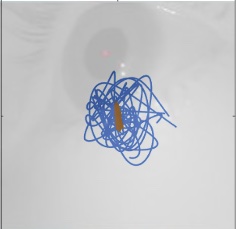
Scribble Eyes is an Apple iPad/Pencil-based app that automates the data collection, analysis and interpretation process for paper-based tests traditionally used to screen patients with central visual field loss in the clinic.
 ActiveMobility and Fall Risk in Central Visual Field Loss
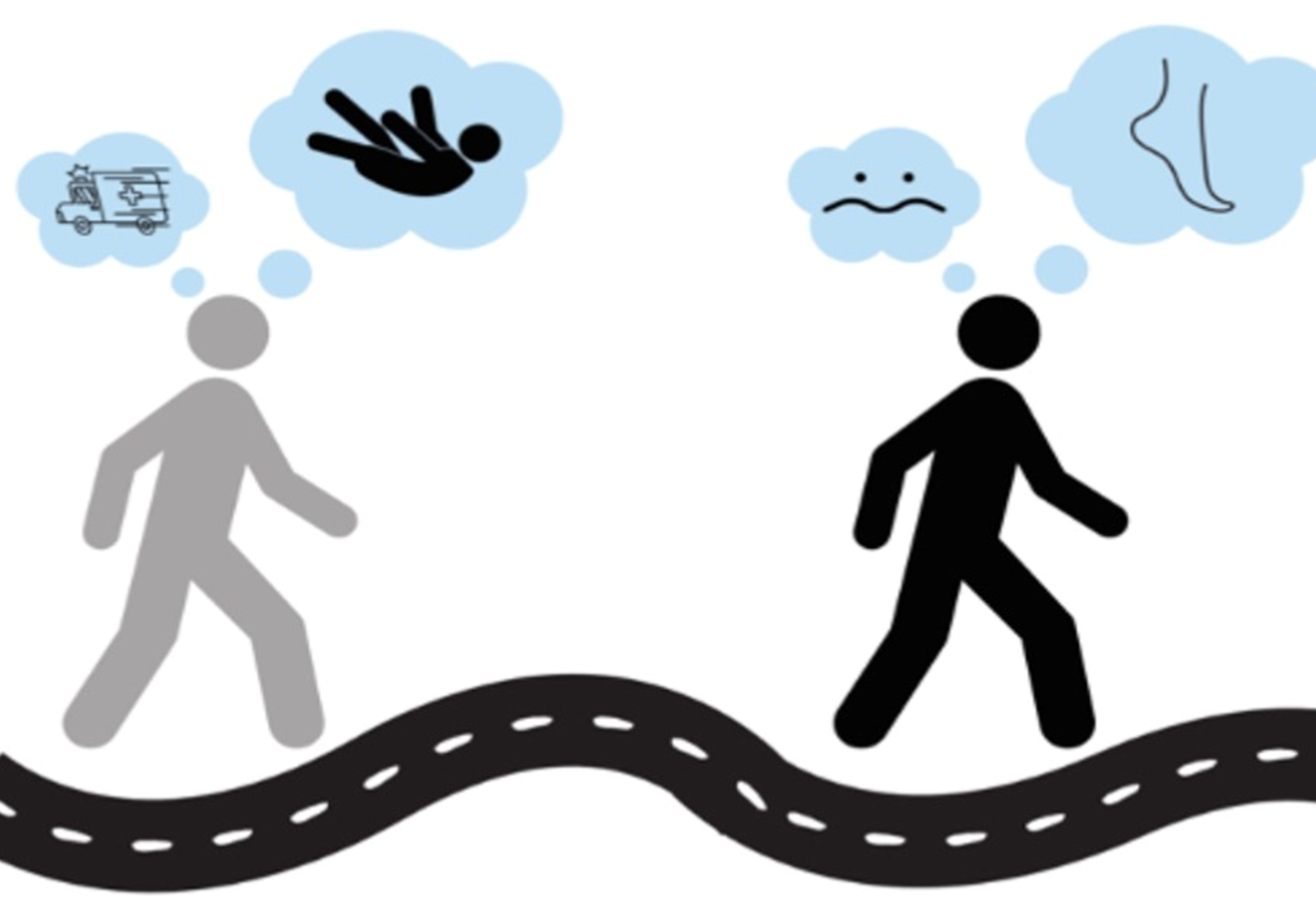
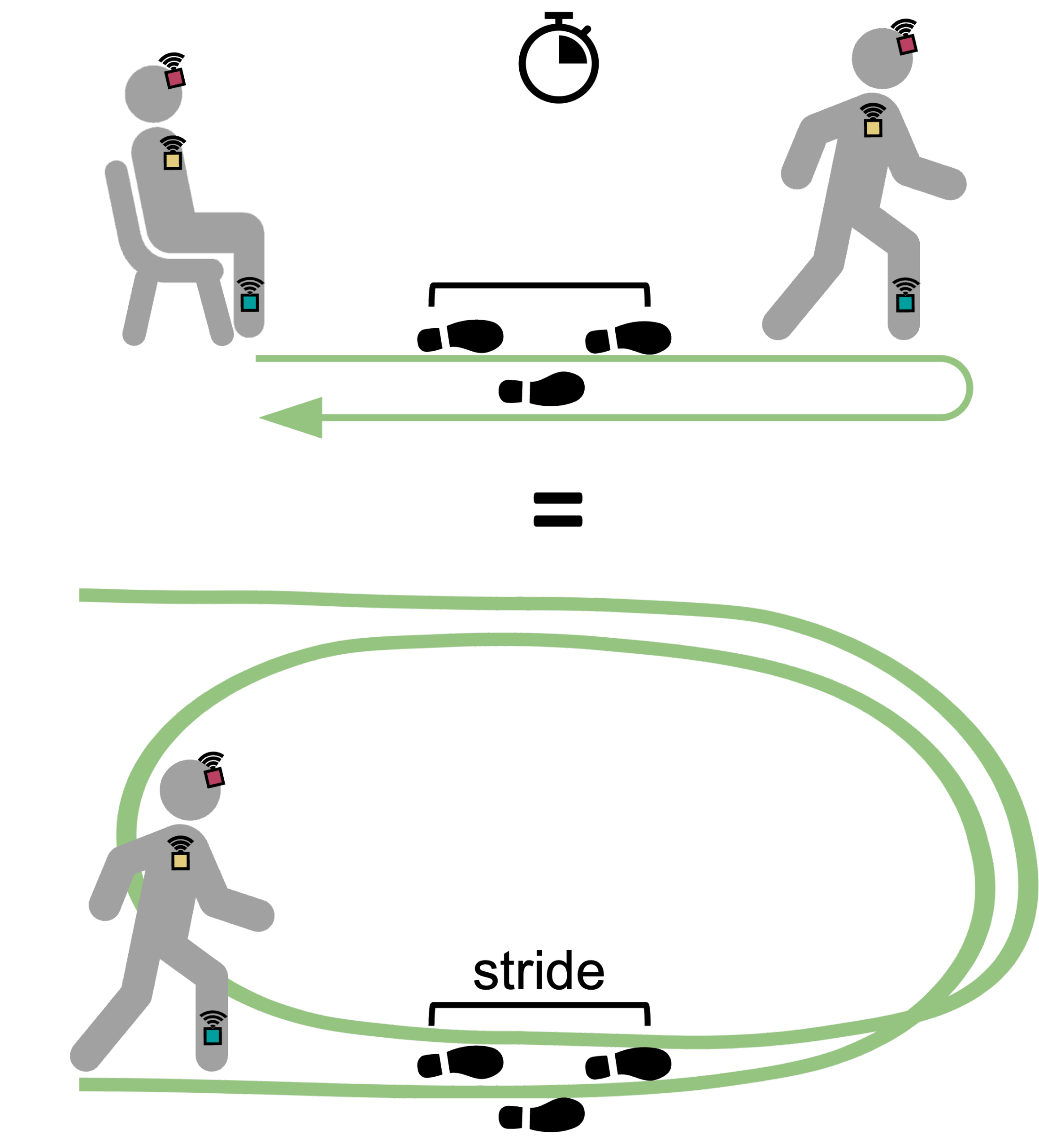
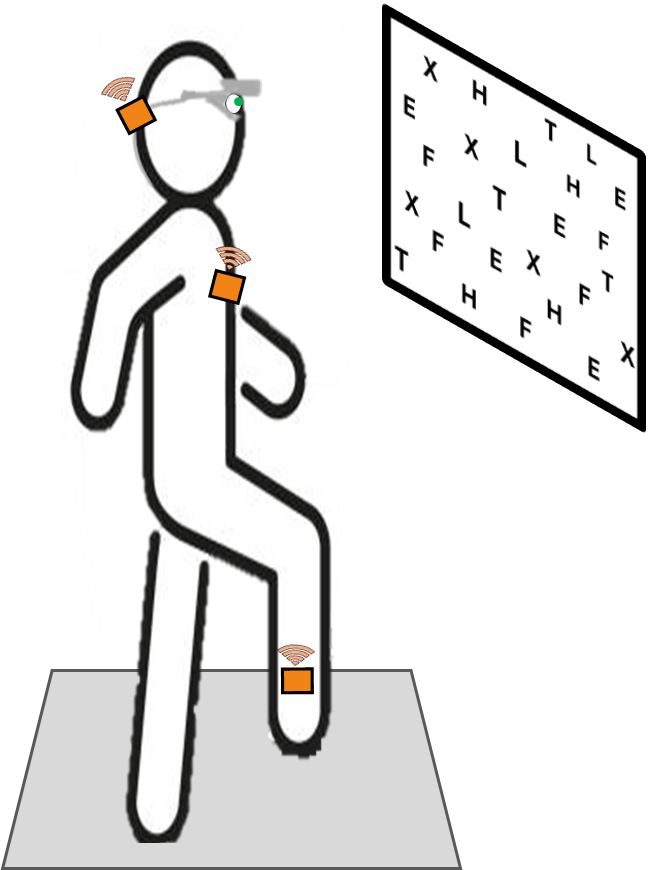
Age-related macular degeneration (AMD) is the most common cause of vision loss in the developed world. Central visual field loss due to diseases such as AMD is a large and growing problem. It is also associated with higher risk of falls and, therefore injury. Although much has been done to understand visual limitations associated with this condition, one of its most dangerous and poorly understood outcomes is the increase in the risk of falls, which can be debilitating and even deadly, especially in the age group most affected by AMD. The exact reasons for the increased fall risk are unknown…
 ActiveChallenges in Head-Free Eye Tracking in Health & Disease
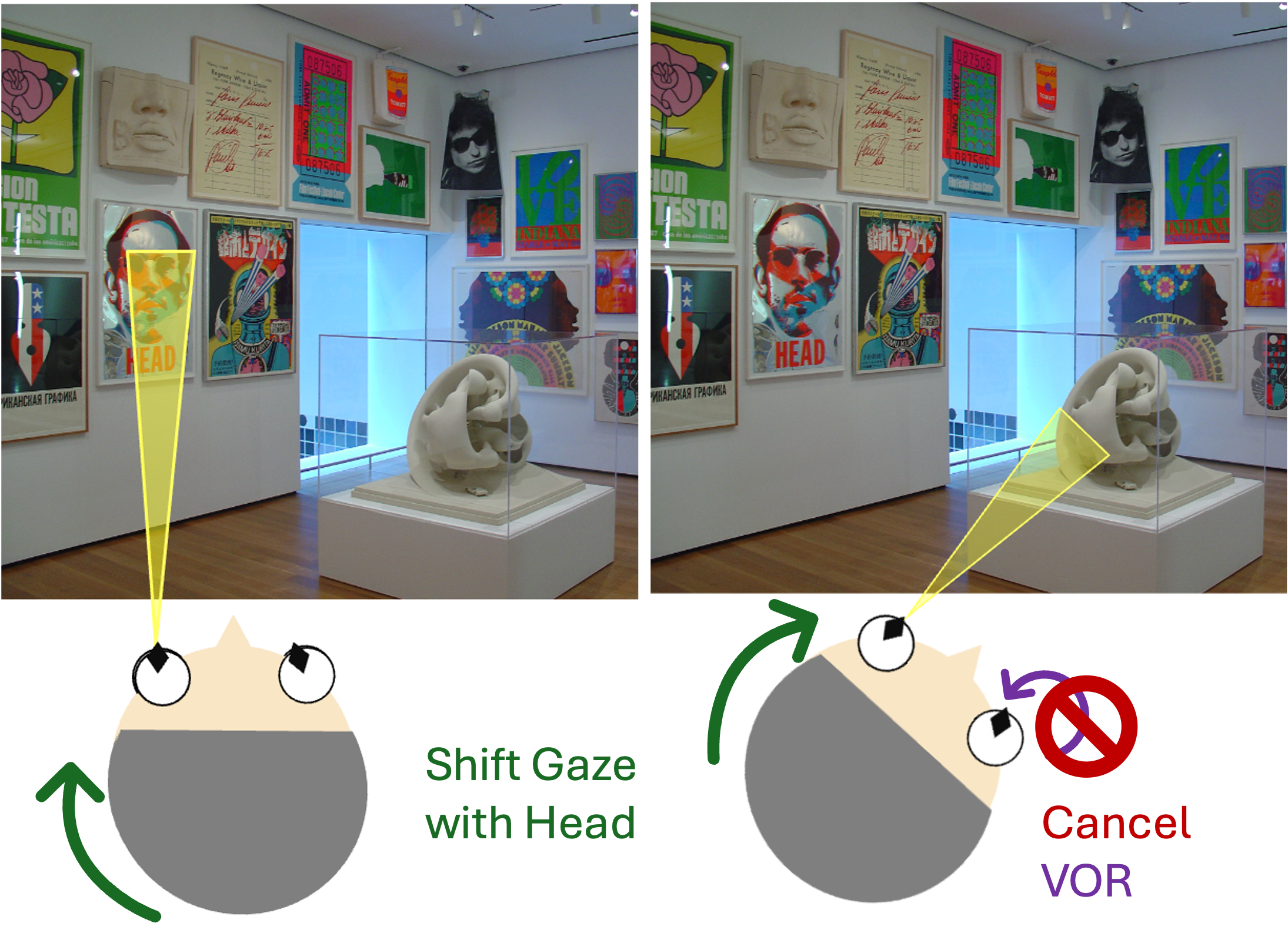
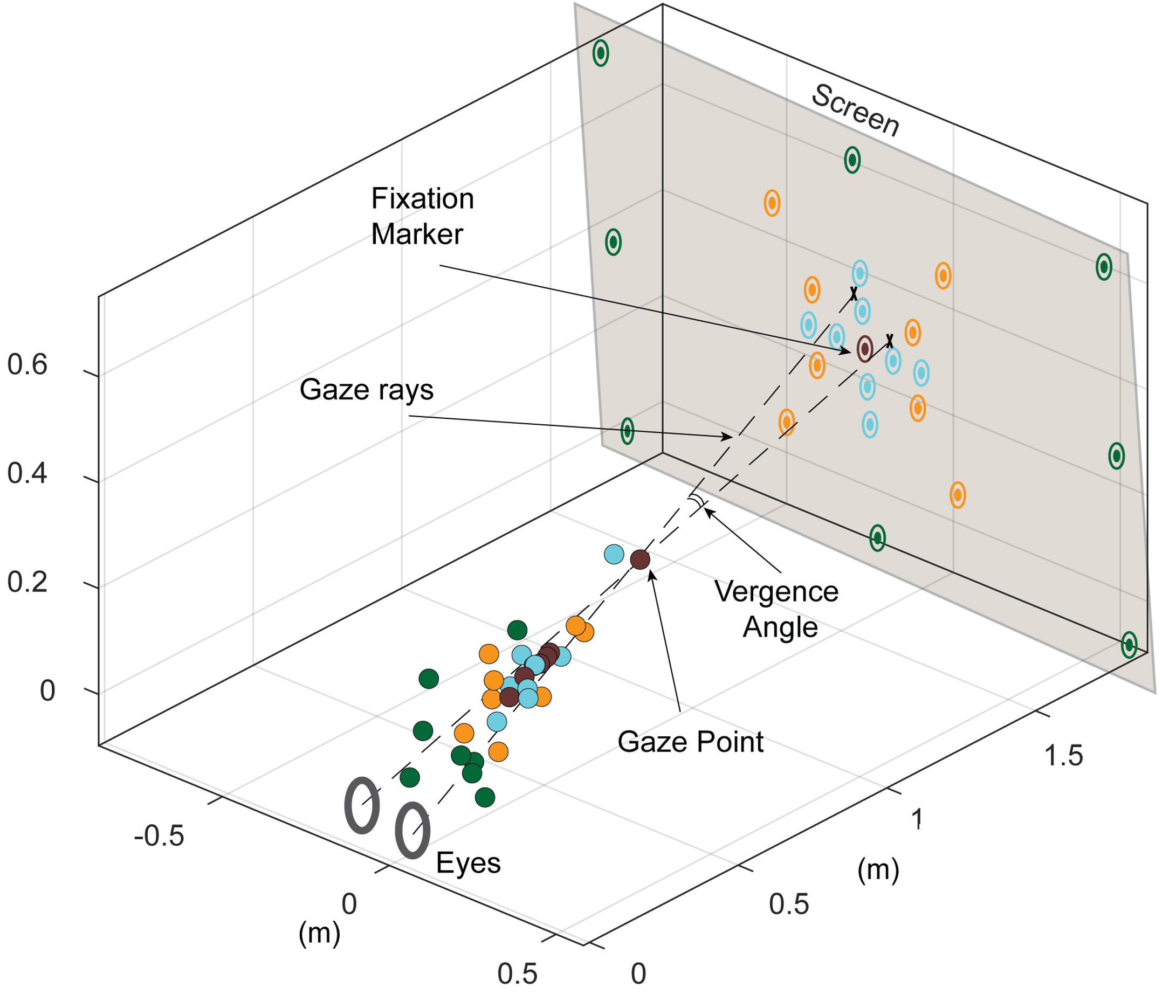
This project is focused on investigating sources of error and potential improvement methodologies for head-free eye tracking, particularly in individuals with known oculomotor deficits
 ActiveVestibular Function in AMD: Verticality Perception
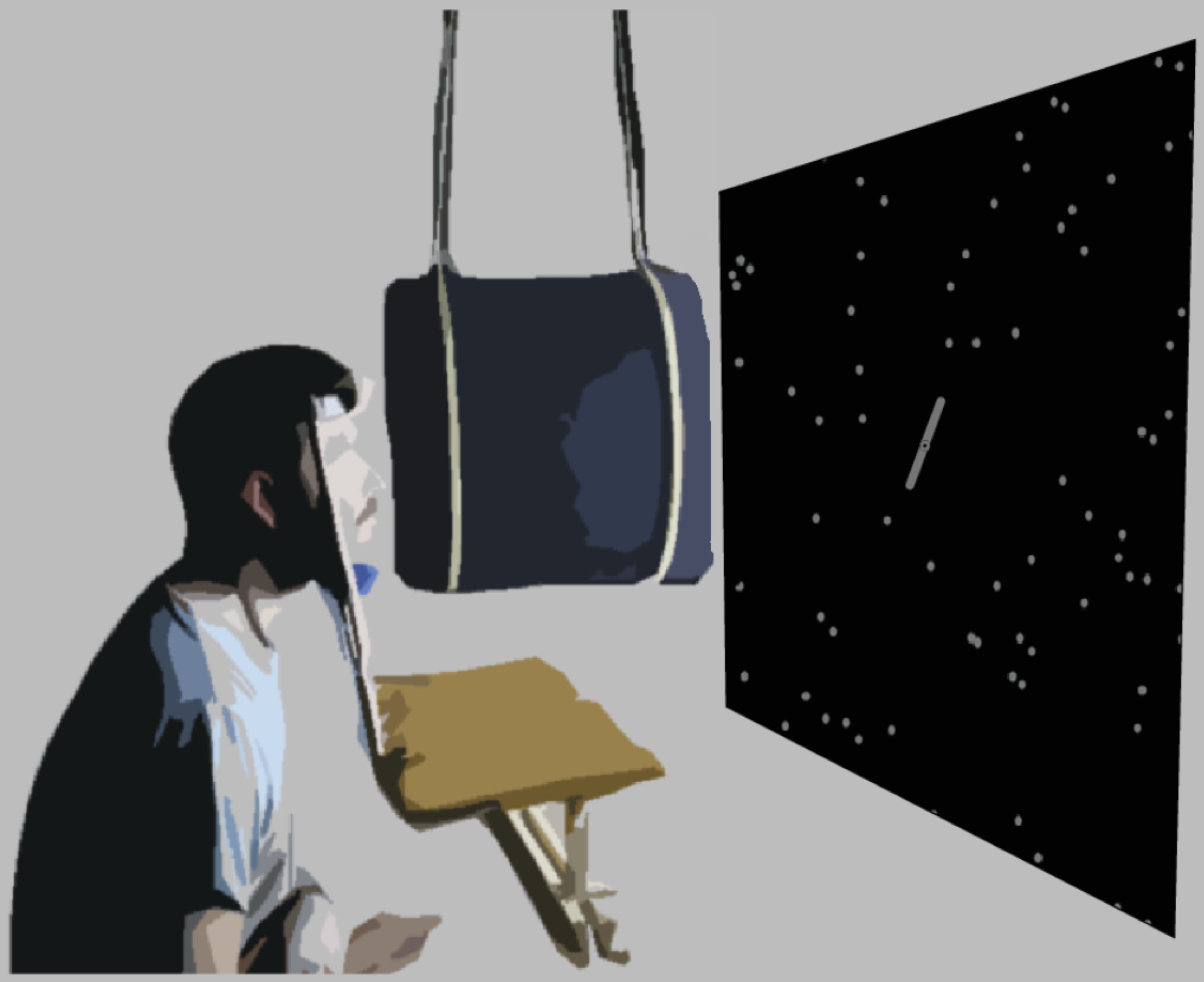
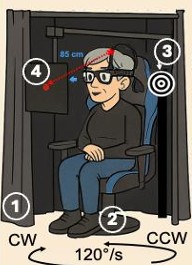
To accurately perceive one’s own state and that of the surrounding environment, visual, vestibular and somatosensory inputs must be appropriately weighted and dynamically reweighted depending on the environment and task difficulty, as well as signal reliability (and availability). Aging is associated with an increase on visual dependence (a greater weighting of visual information). In this project we investigate how loss of visual information due to AMD affects this reweighting process and if an increase in visual dependence may be maladaptive in AMD.
 ActiveEffects of Noise Exposure Across the Lifespan on Balance and Stability in Older Adults
Falls in older adults are common, have high societal and monetary costs, often lead to injury and can even be fatal. It is known that noise can damage the vestibular periphery resulting in postural instability and compromised balance. This project investigates how natural aging is accelerated by lifetime noise exposure, and how that can lead to impaired vestibular function, contributing to propensity to fall.
 CompletedRobotic Oculomotor Simulator
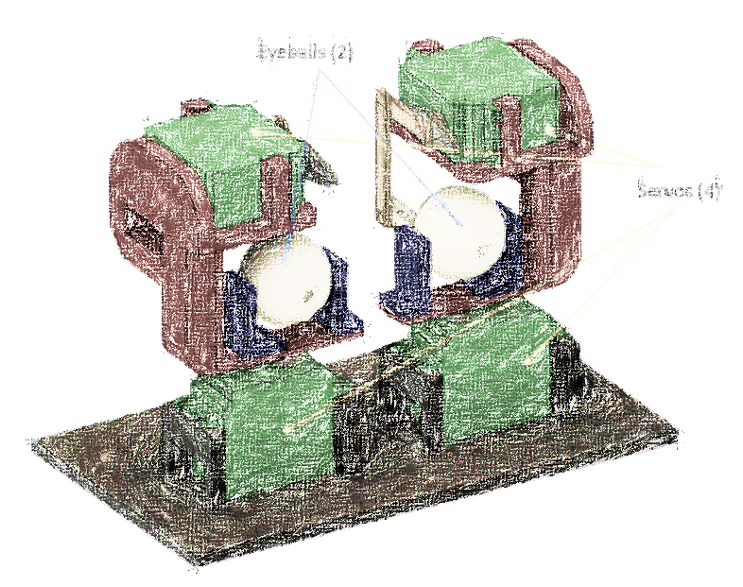
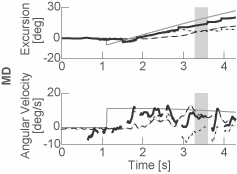
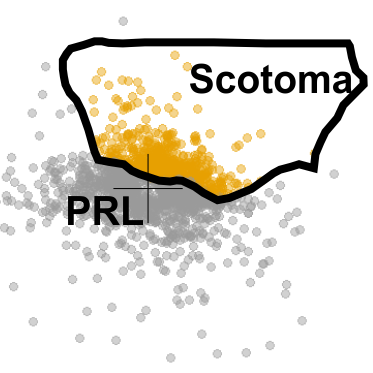
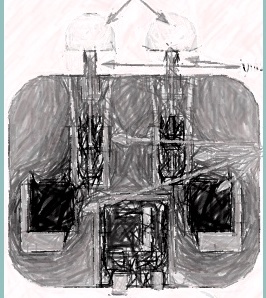
Current eye tracking and calibration algorithms do not accommodate eccentric viewing and the capacity for accurate eye tracking is difficult to assess in individuals with central visual field loss, and few studies of naturalistic oculomotor behavior exist. To address this problem, we are developing a binocular robotic model of the human eyes that can simulate fixation and eye movements with an eccentric preferred retinal locus in one or both eyes and allow for precise assessment of eye tracking performance of head mounted computer vision-based eye tracking systems.
 ActiveBlindness and Low Vision Support Group
Join Annemarie Rossi, Occupational Therapist, and scientists at Smith-Kettlewell to share experiences and learn about resources for members of the blind and low vision community through the Blindness and Low Vision Support Group, founded by Dr. Donald Fletcher, M.D.
 CompletedMotion Perception in Central Field Loss
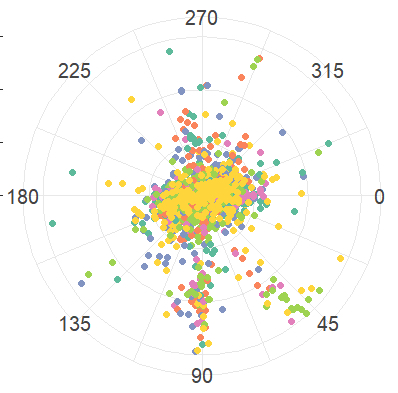
The project investigates motion perception in individuals with vision loss due to central retinal lesion, but who retain healthy peripheral retina. Healthy peripheral retina is exquisitely sensitive to fast speeds, however, there is limited and conflicting information about motion processing in residual peripheral retina in patients with central field loss, often due to macular degeneration. We use psychophysical and eye tracking approaches to systematically probe speed and direction sensitivity in this population.
 ActiveAdaptive Visual Strategies for Individuals with Macular Degeneration
In this project we try to gain a better understanding of what visual strategies people use to gather information in the world.
 ActiveFovea Use During Smooth Pursuit
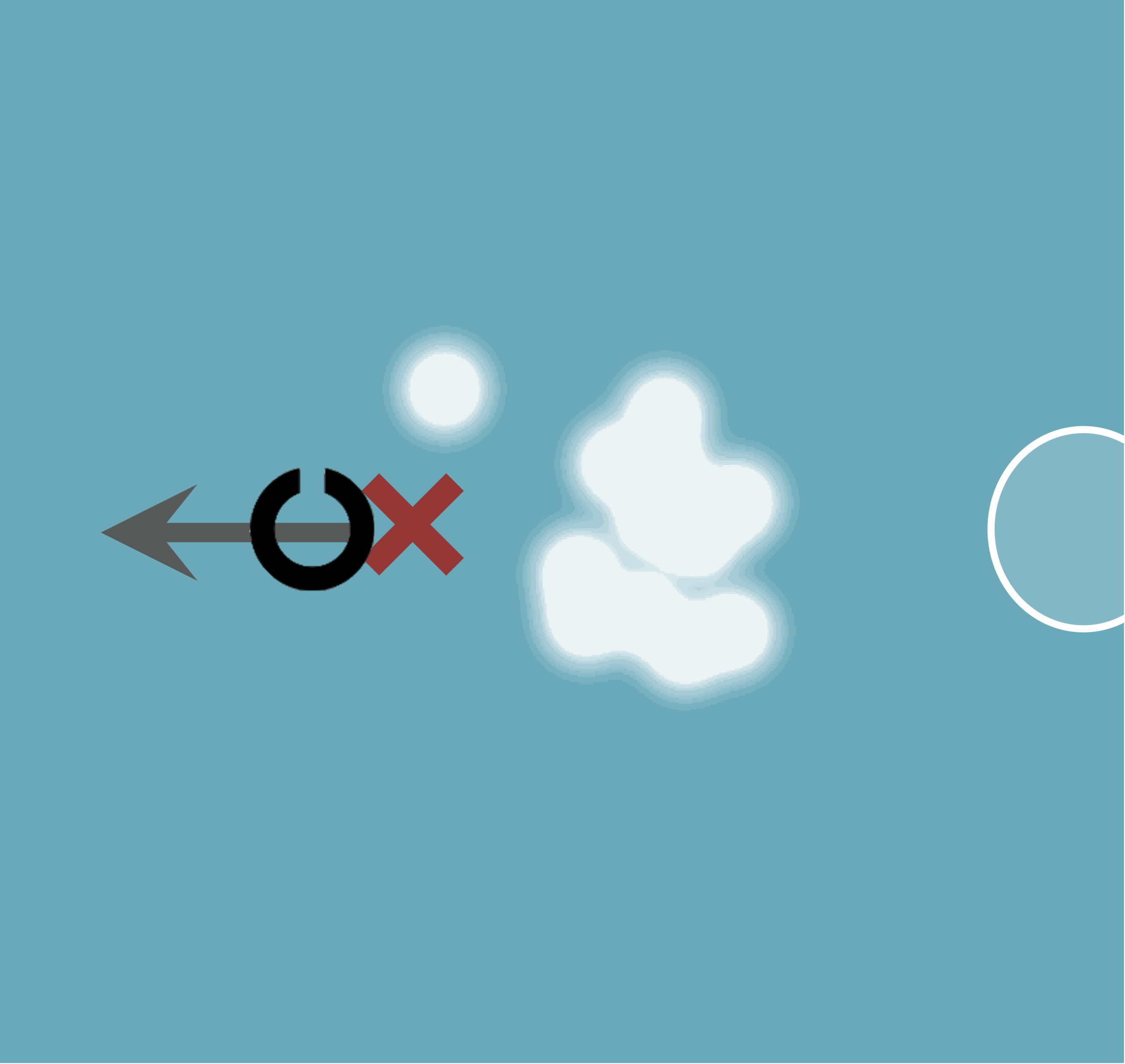
There is continuing debate as to whether smooth pursuit relies on the foveation of a moving target, especially when the target is compact. Previous studies have shown that gaze is placed on the center-of-mass of a target during saccadic eye movements. This research aims to understand whether eye placement is similarly centered during smooth pursuit and whether foveation is necessary for pursuing a small stimulus.
Labs
 Eye-Head Movement LaboratoryOur laboratory is interested in how changes in visual and/or vestibular function affect eye/head coordination, balance, and mobility, particularly in aging. We are currently pursuing two main lines of research:...
Centers
 Rehabilitation Engineering Research CenterThe Center's research goal is to develop and apply new scientific knowledge and practical, cost-effective devices to better understand and address the real-world problems of blind, visually impaired, and deaf-blind...


