
Human Oculomotor Functions & Their Deficits in Traumatic Brain Injury
Recent studies have established that a high proportion of patients diagnosed with mild (or diffuse) traumatic brain injury (mTBI) exhibit binocular vision dysfunctions, particularly, deficiencies in the binocular coordination of eye movements.
Encoding of 3D Structure in the Visual Scene: A New Conceptualization
The multidisciplinary goal was to develop an integrated conceptualization of the mid-level encoding of 3D object structure from multiple surface cues
Stereoscopic motion-in-depth perception: fMRI and neurophysiological studies
This project is designed to advance the integration of high field fMRI in alert macaque monkeys with “informed” neurophysiology, and to apply it in addressing a long-standing research question regarding the neural processing of stereoscopic 3-D motion.
Advanced Spatiomotor Rehabilitation in Blindness and Visual Impairment
We propose a multidisciplinary approach to effective spatiomotor rehabilitation in blindness and visual impairment. For those who have lost vision, the eye-hand coordination normally available for the manipulation of objects for everyday activities is unavailable and has to be replaced by information from other senses
Active
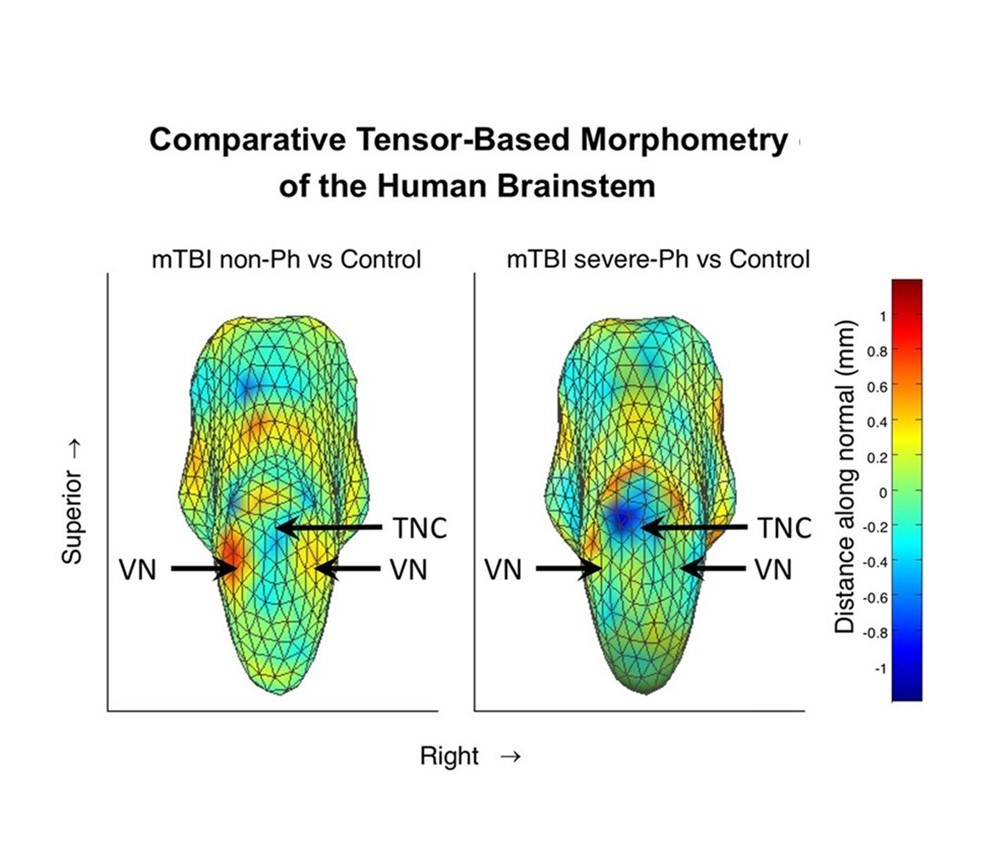
Mechanisms of Photophobia in Mild Traumatic Brain Injury in Human Subjects: Therapeutic Implications
The purpose of this grant is to identify the mechanisms responsible for generating photophobia in patients who have suffered mild traumatic brain injury (mTBI). Currently, estimates indicate that this painful condition persists in about 60% of those who suffered from blast-related traumatic brain injury and 30% of those who suffered non-blast-related concussive injuries.

Active
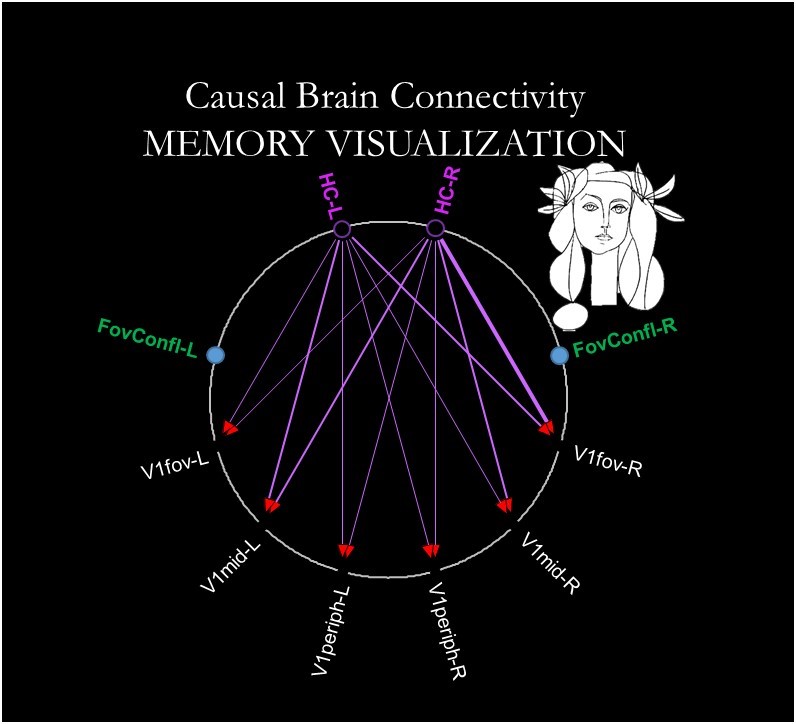
Stereopsis in Macular Degeneration
Macular degeneration affects the central retina, often causing asymmetrical damage to the two eyes. How does this asymmetrical loss affect stereopsis — the percept of depth generated by the small separation of image features in the two eyes?
Active
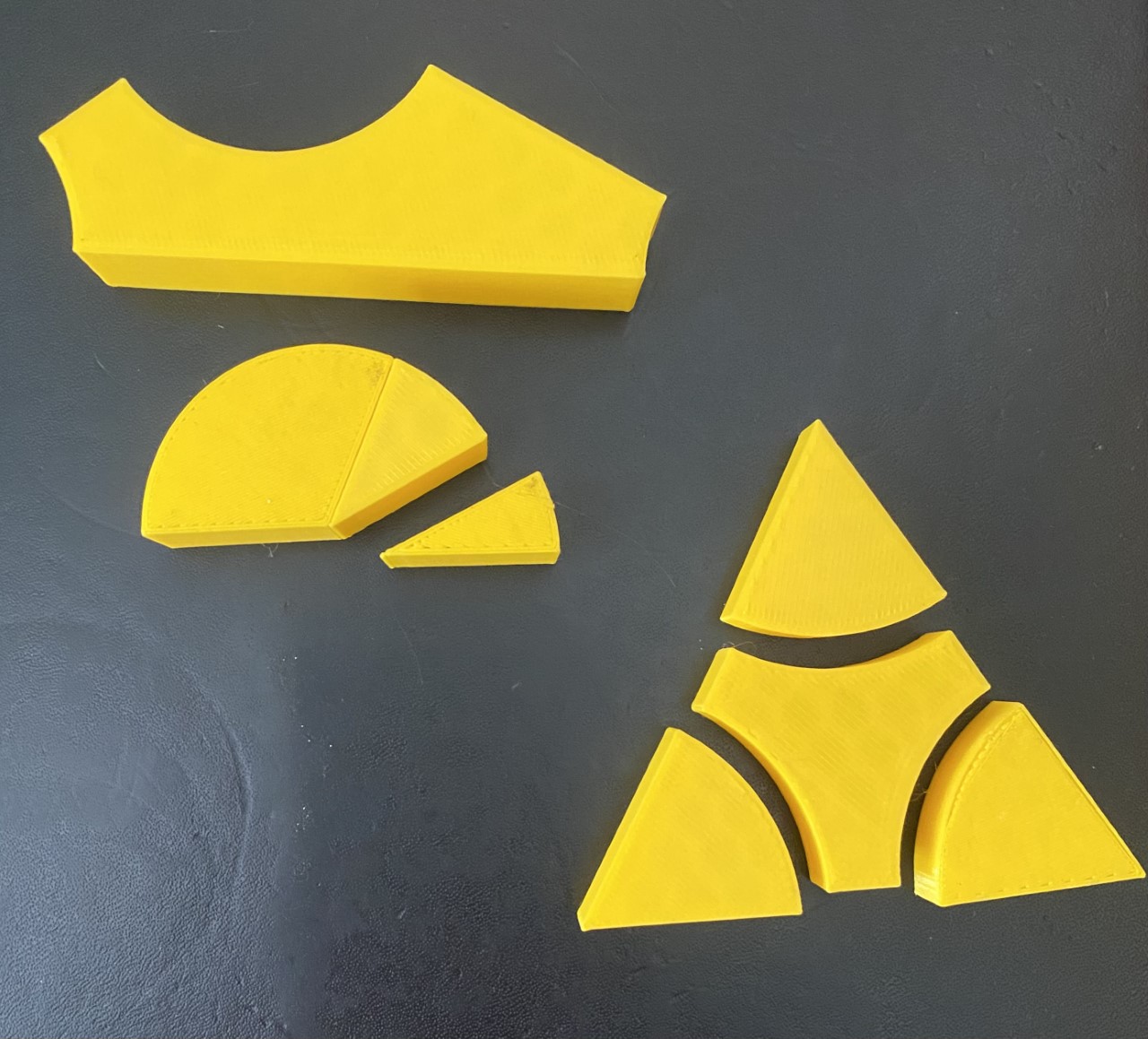
The 3 Ps of 3D: Perception, Pedagogy, and Practice for 3D Printing
3D printing is increasingly used in STEM education. How can it be made usable by students who are blind or visually impaired?
Spectral ERG analysis of hypersensitivity to light in traumatic brain injury
The purpose of this research study is to use the spectral electroretinogram (ERG) to deteremine how the retinal mechanisms of sufferers from abnormal light sensitivity due to head injury differ from those without abnormal light sensitivity.

Completed
A11Y COVID-19
COVID-19 pandemic data for screen reader users are available at covid.ski.org