
Parafoveal Crowding
Crowding increases with eccentricity, and is most readily observed in the periphery. During natural, active vision however, central vision plays an important role. Measures of critical distance to estimate crowding are difficult in central vision, as these distances are small. Any overlap of flankers with the target may create an overlay masking confound. The crowding factor method avoids this issue by simultaneously modulating target size and flanker distance and using a ratio to compare crowded to uncrowded conditions. This method was developed and applied in the periphery (Petrov &…

Active
Fovea Use During Smooth Pursuit
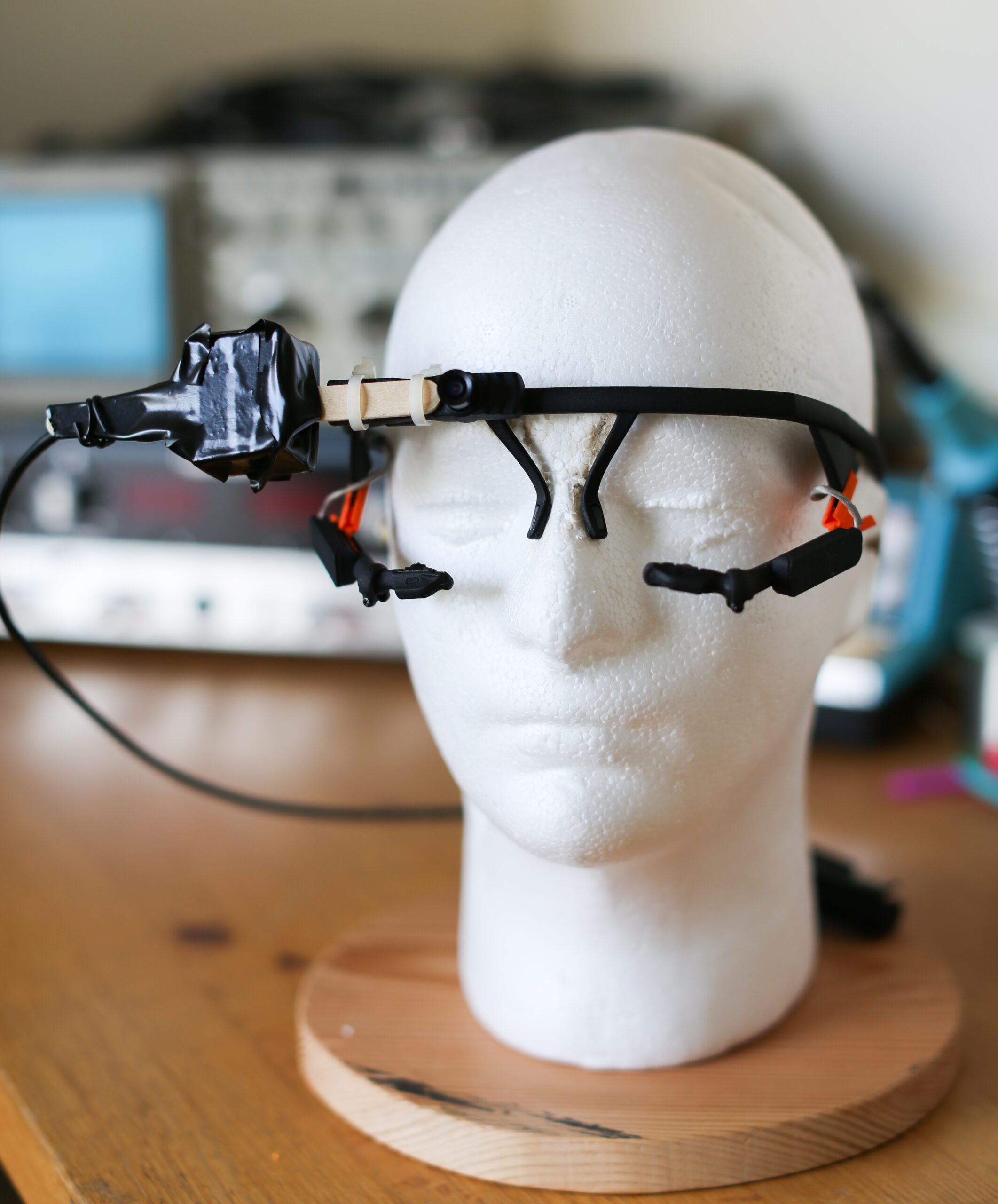
There is continuing debate as to whether smooth pursuit relies on the foveation of a moving target, especially when the target is compact. Previous studies have shown that gaze is placed on the center-of-mass of a target during saccadic eye movements. This research aims to understand whether eye placement is similarly centered during smooth pursuit and whether foveation is necessary for pursuing a small stimulus.
Active
Coordination of Eye and Head Movements in Central Field Loss
This project investigates the interaction between central field loss (CFL) and vestibular function.

Inactive
Describeathon 2019 Announced!
Join Describeathon 2019! Help make YouTube videos more accessible to blind viewers by adding your voice to this day of description. Use YouDescribe, our free web-based description tool, to describe the visuals of your favorite YouTube videos and have fun doing it!
Completed
Audio/Tactile BART Station Maps
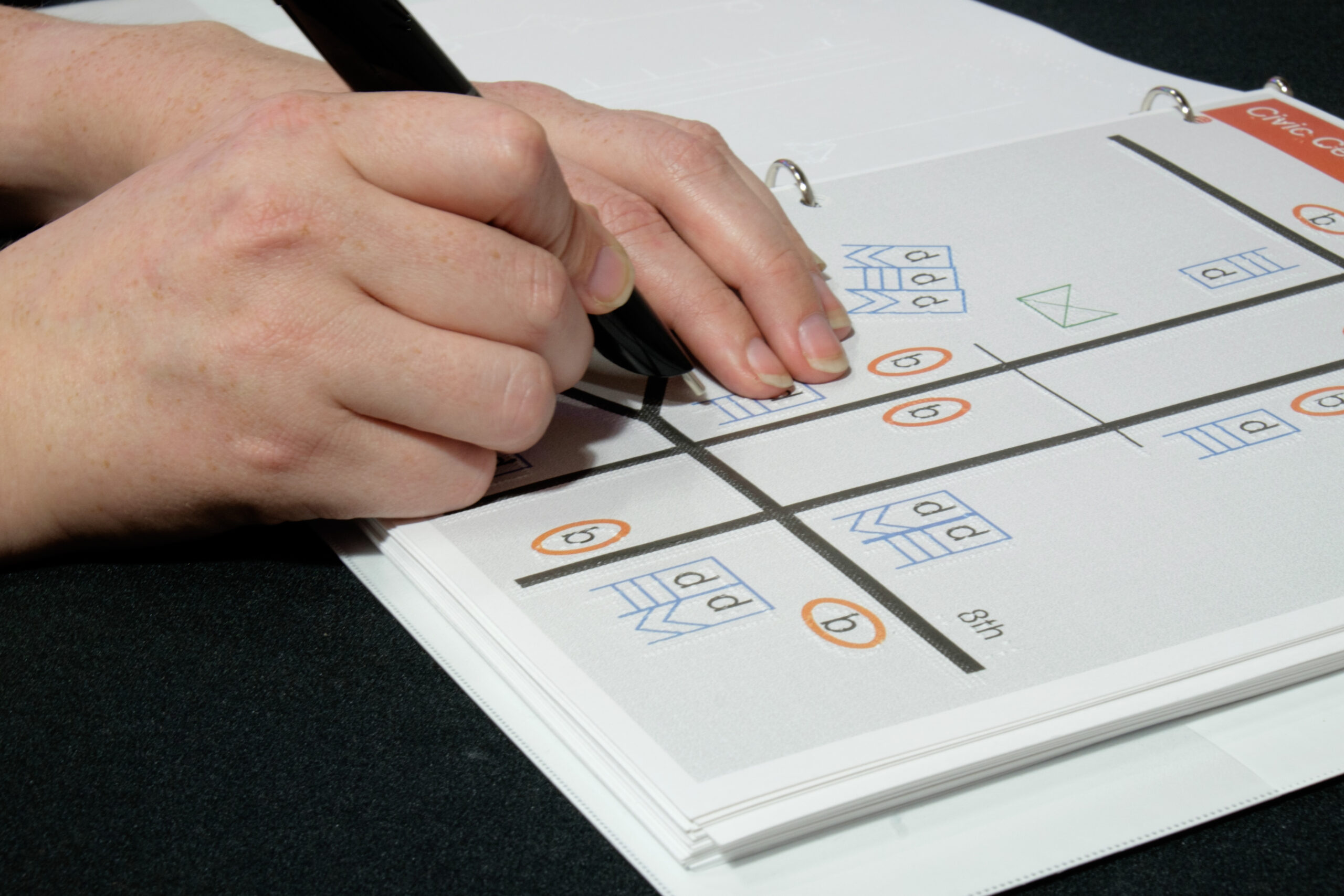
This collaborative project between Smith-Kettlewell and the San Francisco LightHouse applies Smartpen-Based audio/tactile graphics tools to improve orientation and wayfinding by travelers with visual disabilities in and around unfamiliar transit stations.

Inactive
overTHERE
overTHERE is a virtual Talking Signs iPhone app for blind and visually-impaired pedestrians that demonstrates a powerful audio/haptic interface to location information about businesses and other points of interest.
Completed
Sign Finder
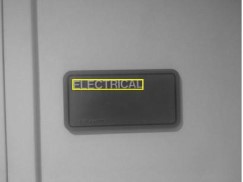
This project seeks to develop a computer vision-based system that allows a visually impaired traveler to find and read informational signs, such as signs labeling office doors, streets, restrooms and Exit signs.
Link open source code
Tutorials and Reference
These are tutorials and reference materials I have written on various topics in probability and geometry over the years.
Active
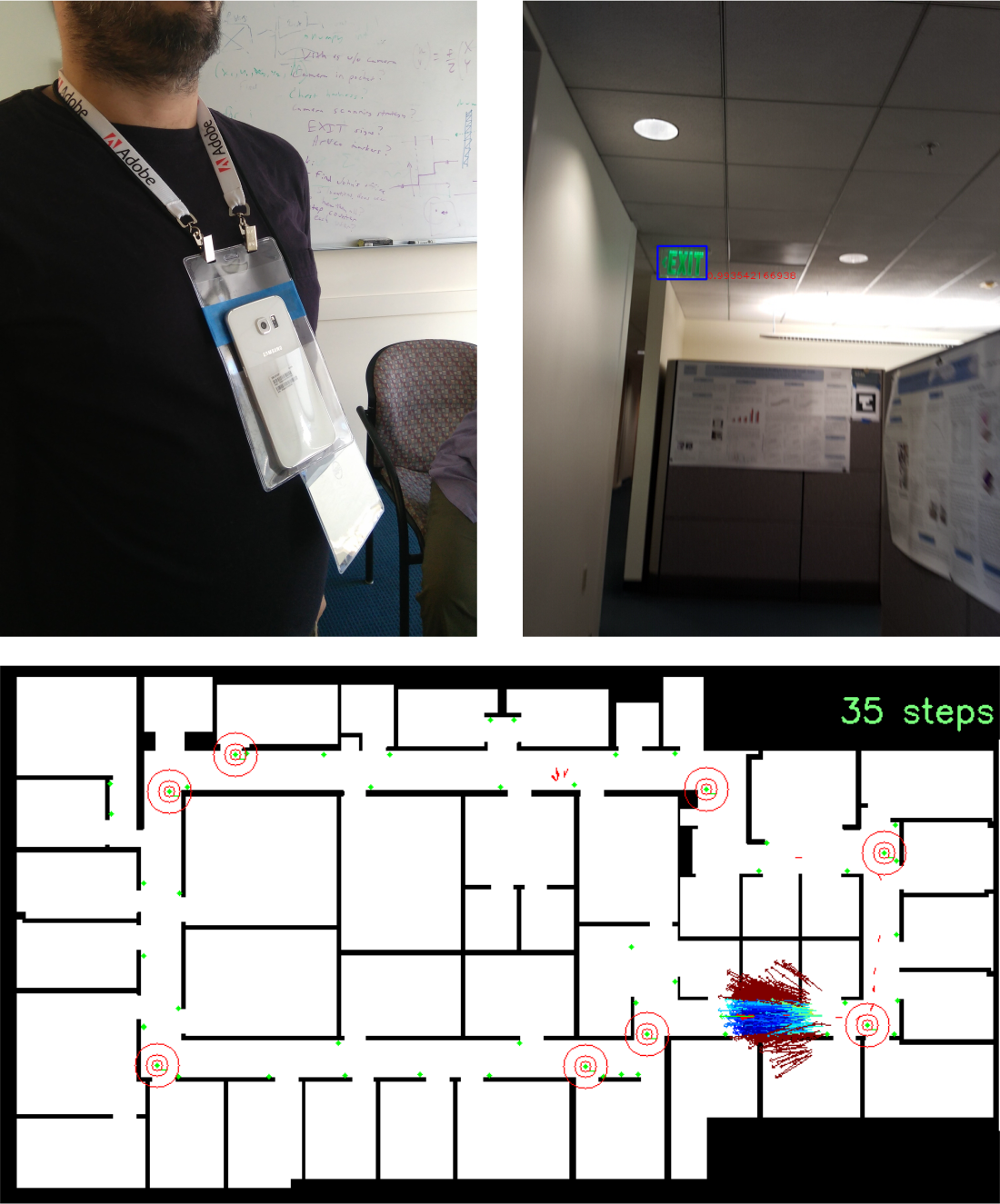
A Computer Vision-Based Indoor Wayfinding Tool
The ability to navigate safely and confidently is a fundamental requirement for independent travel and access to many settings such as work, school, shopping, transit and healthcare. Navigation is particularly challenging for people with visual impairments, who have limited ability to see signs, landmarks or maps posted in the environment.
The Role of Selective Visual Attention in Amblyopic Suppression
Individuals with strabismus are confronted with double vision, their brain has to choose to attend to one image and ignore or suppress the other. It has been commonly suggested that a constant suppression on the non-preferred eye in strabismus is responsible for the development of amblyopia. In the current project, we study the role of top-influences of attention in amblyopic suppression and test the hypothesis that visual suppression in amblyopia may be a form of long-term attentional “neglect”.