Contact Information:
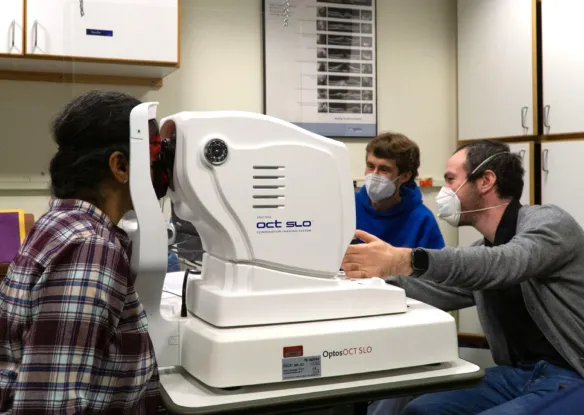
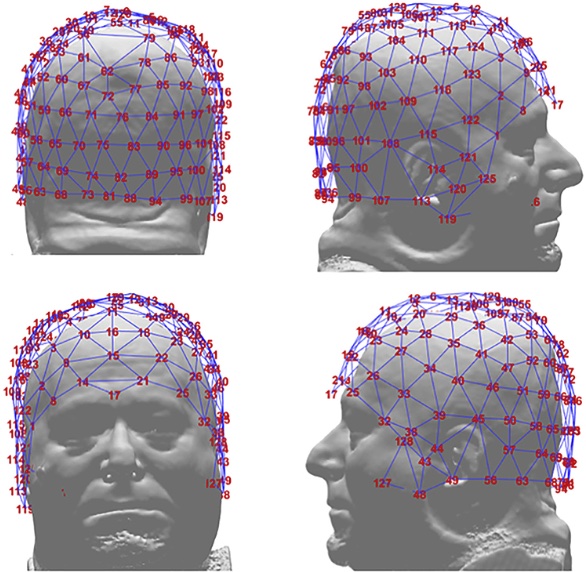
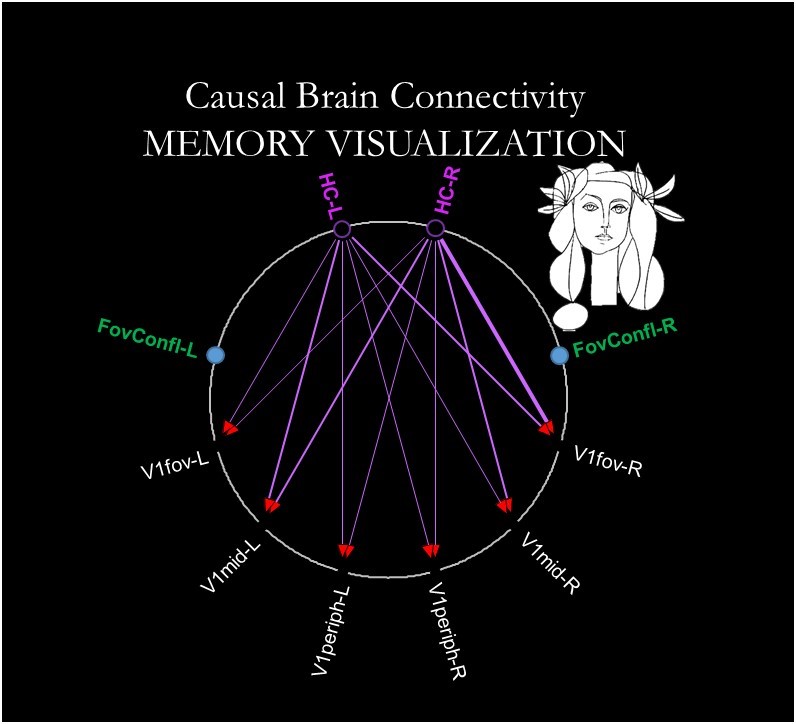
Office Phone: (415) 345-2024The Smith-Kettlewell Brain Imaging Center supports a wide variety of human brain imaging modalities, including MRI, MRI morphometry, functional MRI, fMR Iretonogrphy, fMRI dynamics, functional connectivity, Granger-causal connectivity, DTI, DTI tractography, whole-head EEG, EEG functional connectivity, ERG, EEG eye tracking, electroblepharography, etc. Our work centers on human visual neuroscience and computational vision, especially in the areas of human visual processing in adults, of the diagnosis of eye diseases and cortical deficits in infants and adults, on brain plasticity in relation to low vision and blindness, and on the processes of blindness rehabilitation. We are particularly interested in the normal capabilities of binocular visual processing and its disruption by forms of traumatic brain injury.
The Smith-Kettlewell Brain Imaging Center supports a wide variety of human brain imaging modalities, including MRI, MRI morphometry, functional MRI, fMR Iretonogrphy, fMRI dynamics, functional connectivity, Granger-causal connectivity, DTI, DTI tractography, whole-head EEG, EEG functional connectivity, ERG, EEG eye tracking, electroblepharography, etc. Our work centers on human visual neuroscience and computational vision, especially in the areas of human visual processing in adults, of the diagnosis of eye diseases and cortical deficits in infants and adults, on brain plasticity in relation to low vision and blindness, and on the processes of blindness rehabilitation. We are particularly interested in the normal capabilities of binocular visual processing and its disruption by forms of traumatic brain injury.
Publications




Projects
Binocular Rivalry and its neural processing in cortical hierarchy
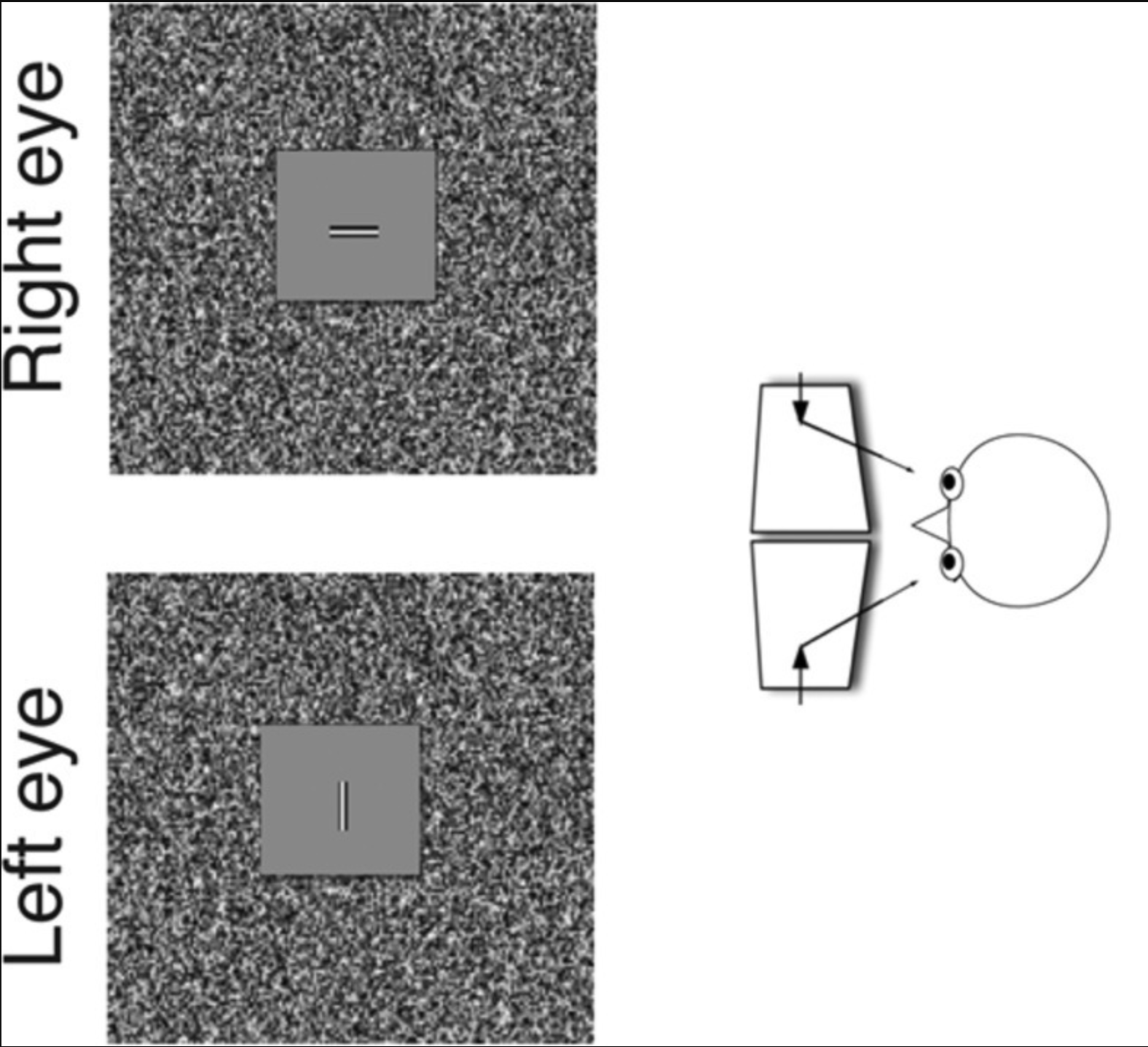
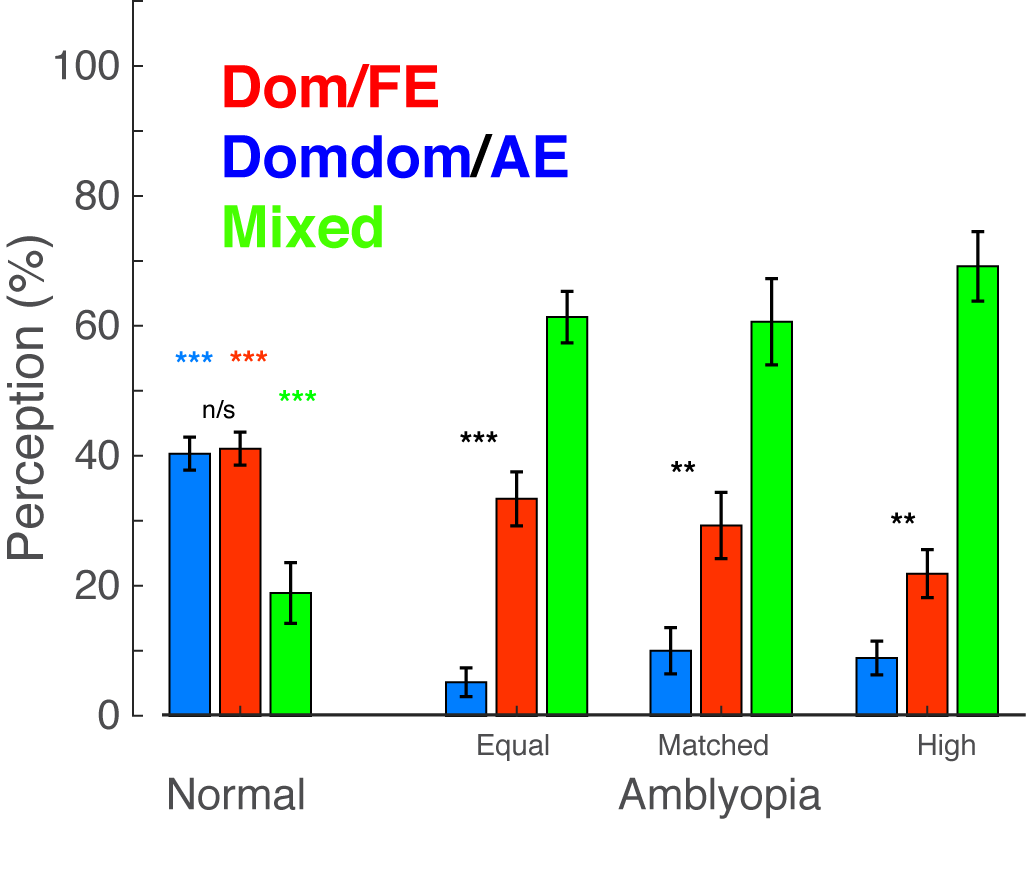
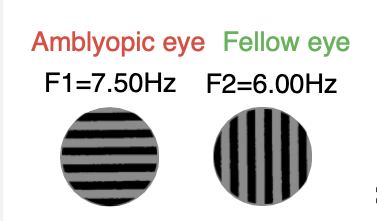
It has been a mystery as to what level of cortical hierarchy is suppressed in visual processing from the amblyopic eye and how neural representations change when increasing contrast or paying attention to the amblyopic eye. In this project, we will adapt a standard EEG binocular rivalry paradigm, which modulates stimuli at different frequencies in each eye and incorporates a behavioral measure of perceptual eye dominance. We will simultaneously measure neural activity along the cortical hierarchy and perceptual eye dominance under 3 conditions: equal contrasts in the two eyes, perceptually…
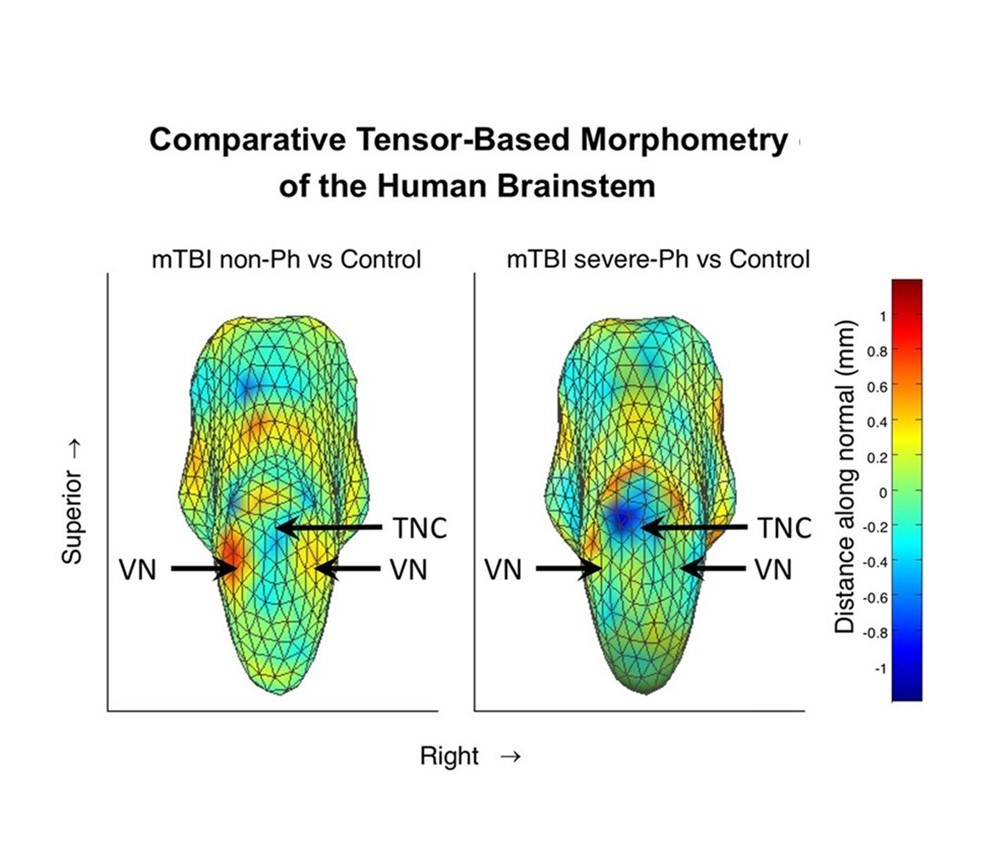
Mechanisms of Photophobia in Mild Traumatic Brain Injury in Human Subjects: Therapeutic Implications
The purpose of this grant is to identify the mechanisms responsible for generating photophobia in patients who have suffered mild traumatic brain injury (mTBI). Currently, estimates indicate that this painful condition persists in about 60% of those who suffered from blast-related traumatic brain injury and 30% of those who suffered non-blast-related concussive injuries.
Spectral ERG analysis of hypersensitivity to light in traumatic brain injury
The purpose of this research study is to use the spectral electroretinogram (ERG) to deteremine how the retinal mechanisms of sufferers from abnormal light sensitivity due to head injury differ from those without abnormal light sensitivity.
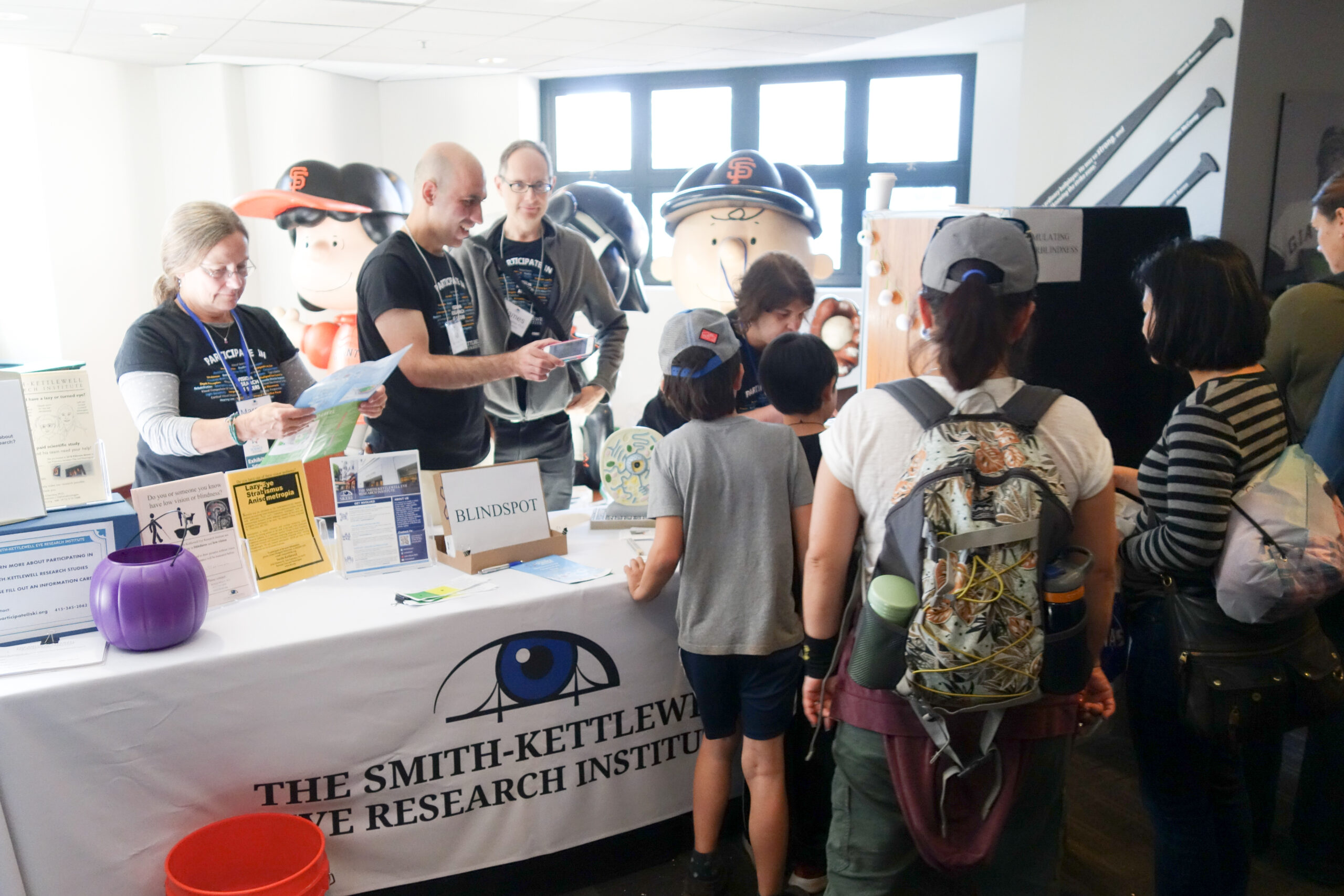
Outreach at Smith-Kettlewell
Smith-Kettelwell is deeply committed to supporting our community.
Please see the news tab for our upcoming and ongoing events. In the News tab, you will find information about our involvement in past outreach activities.
The Role of Selective Visual Attention in Amblyopic Suppression
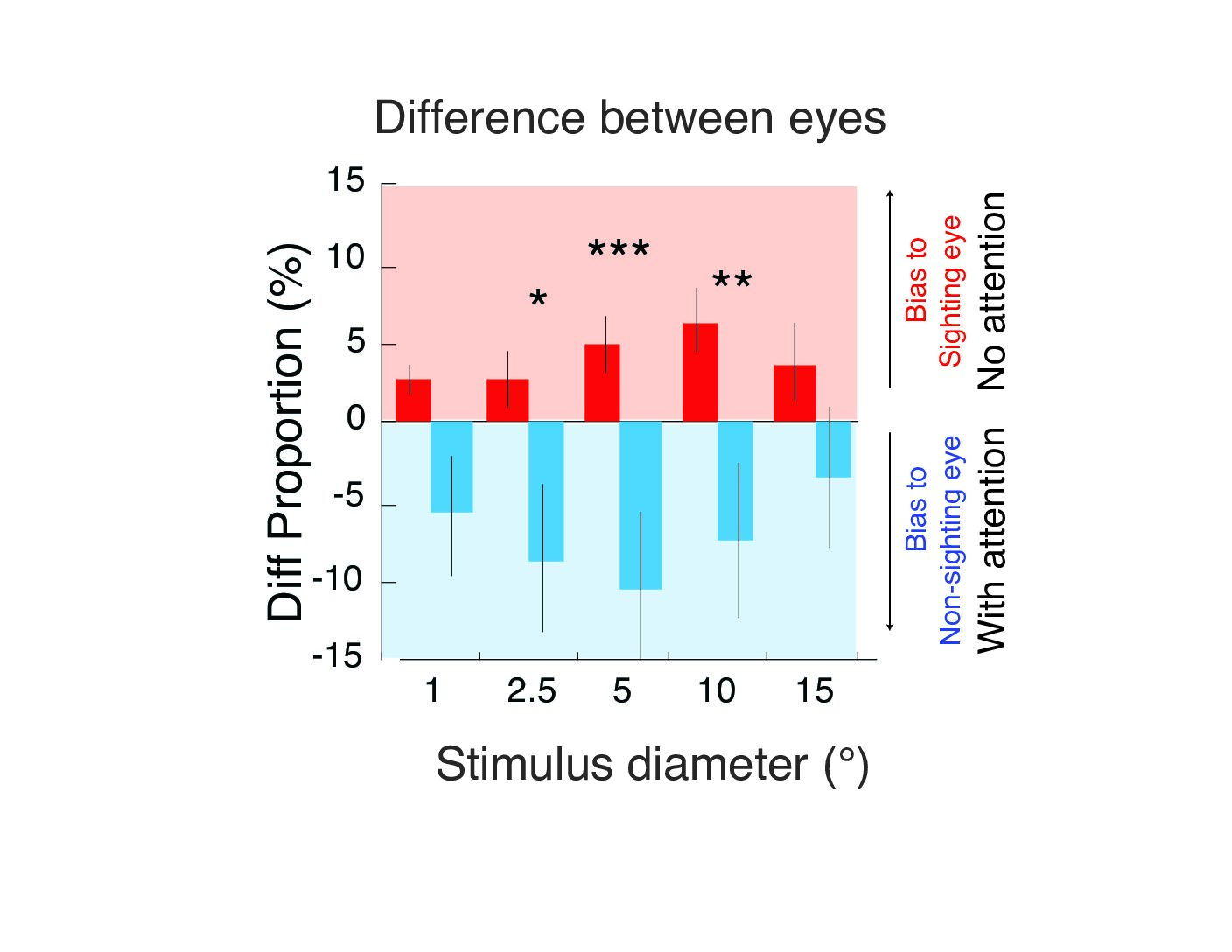
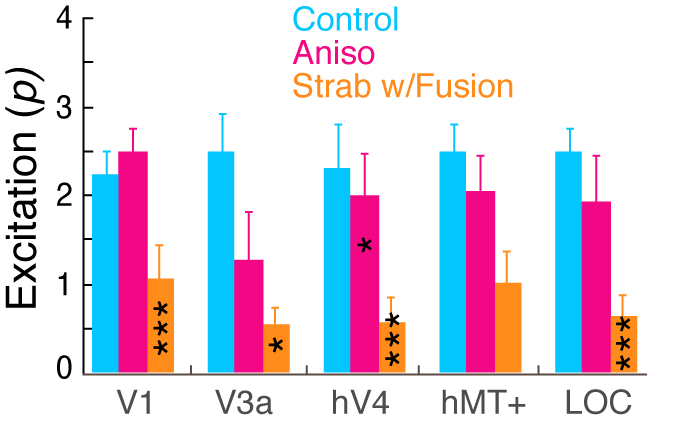
Individuals with strabismus are confronted with double vision, their brain has to choose to attend to one image and ignore or suppress the other. It has been commonly suggested that a constant suppression on the non-preferred eye in strabismus is responsible for the development of amblyopia. In the current project, we study the role of top-influences of attention in amblyopic suppression and test the hypothesis that visual suppression in amblyopia may be a form of long-term attentional “neglect”.
Learning in the Sighted and the Blind through Different Sensory Modalities: Structure and Dynamics of Cortical Reorganization
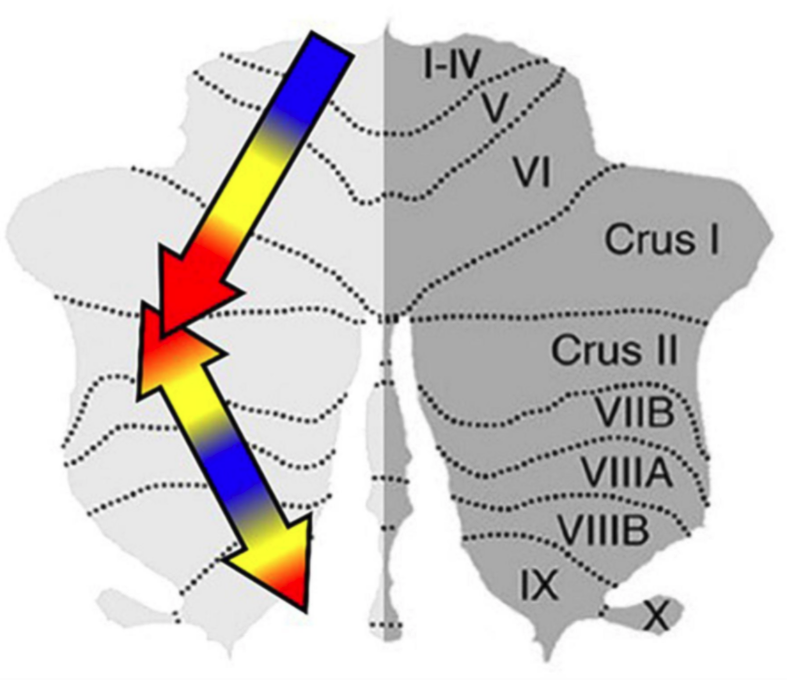
This project focuses on the emerging area of the neuroscience of art learning. It addresses the important issue of how the brain learns complex skills, specifically the process of drawing, through two different sensory modalities. Visual art, and drawing in particular, engages an orchestrated system of cognitive elements extending beyond mere visual perception. This brain system involves an array of cross-cognitive interactions for advanced learning in diverse sensory environments. However, there is a lack of systematic studies of the neural mechanisms of learning in visual art, or of the…
Human Oculomotor Functions & Their Deficits in Traumatic Brain Injury
Recent studies have established that a high proportion of patients diagnosed with mild (or diffuse) traumatic brain injury (mTBI) exhibit binocular vision dysfunctions, particularly, deficiencies in the binocular coordination of eye movements.
Encoding of 3D Structure in the Visual Scene: A New Conceptualization
The multidisciplinary goal was to develop an integrated conceptualization of the mid-level encoding of 3D object structure from multiple surface cues
Stereoscopic motion-in-depth perception: fMRI and neurophysiological studies
This project is designed to advance the integration of high field fMRI in alert macaque monkeys with “informed” neurophysiology, and to apply it in addressing a long-standing research question regarding the neural processing of stereoscopic 3-D motion.
Advanced Spatiomotor Rehabilitation in Blindness and Visual Impairment
We propose a multidisciplinary approach to effective spatiomotor rehabilitation in blindness and visual impairment. For those who have lost vision, the eye-hand coordination normally available for the manipulation of objects for everyday activities is unavailable and has to be replaced by information from other senses
Oculomotor Control
The binocular coordination of movements of the eyes is a complex issue controlled by many brainstem nuclei, and is subject to a wide variety of forms of disruption by traumatic brain injury and oculomotor muscles disorders. The goal of this project is to characterize the natural range of the dynamics of the binocular ocuomotor system and their widespread disruptions across the spectrum of human ocolumotor control.
Labs
 Good LabOur laboratory studies the conditions which cause monocular or bilateral blindness in infants and children.
 Heinen LabAction for Vision and Thought Our laboratory studies eye movements to understand basic neural circuitry that moves the eyes for clear vision, and as a tool to probe mental processes...
 Hou LabThe research in my lab focuses on the sensory processing in binocular vision and its disruption by amblyopia and strabismus. The current project is to use EEG source imaging combined...
 Likova LabThe main areas of my research are learning and brain plasticity of multimodal sensorimotor processing in the blind and the sighted.
- Hou LabThe research in my lab focuses on the sensory processing in binocular vision and its disruption by amblyopia and strabismus. The current project is to use EEG source imaging combined...
- Good LabOur laboratory studies the conditions which cause monocular or bilateral blindness in infants and children.
- Heinen LabAction for Vision and Thought Our laboratory studies eye movements to understand basic neural circuitry that moves the eyes for clear vision, and as a tool to probe mental processes...
- Likova LabThe main areas of my research are learning and brain plasticity of multimodal sensorimotor processing in the blind and the sighted.

People
Current People


News
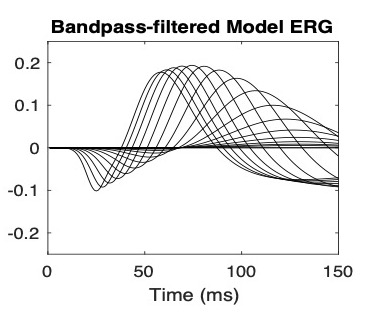
 SKERI Scientist Proposes New Model of Electroretinogram KineticsThe electroretinogram (ERG) is an established technique for non-invasively reading out the layer-by-layer functioning of the human retina, providing biomarkers for a wide range of retinal and neurological diseases.
 SKERI Scientists Present Groundbreaking Research at the 24th Annual Vision Sciences Society MeetingThe Smith-Kettlewell Eye Research Institute (SKERI) is proud to announce its extensive participation in the 24th Annual Meeting of the Vision Sciences Society (VSS), held from May 17 to May...
Events
No upcoming events found.
Get Involved
If you are interested in vision science or want to learn more about low vision and blindness, there are many opportunities to get involved at The Smith-Kettlewell Eye Research Institute.