

Senior Scientist
Ph.D.
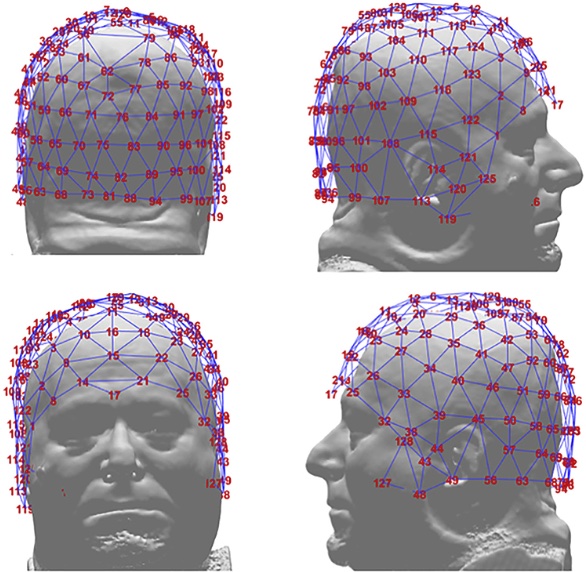
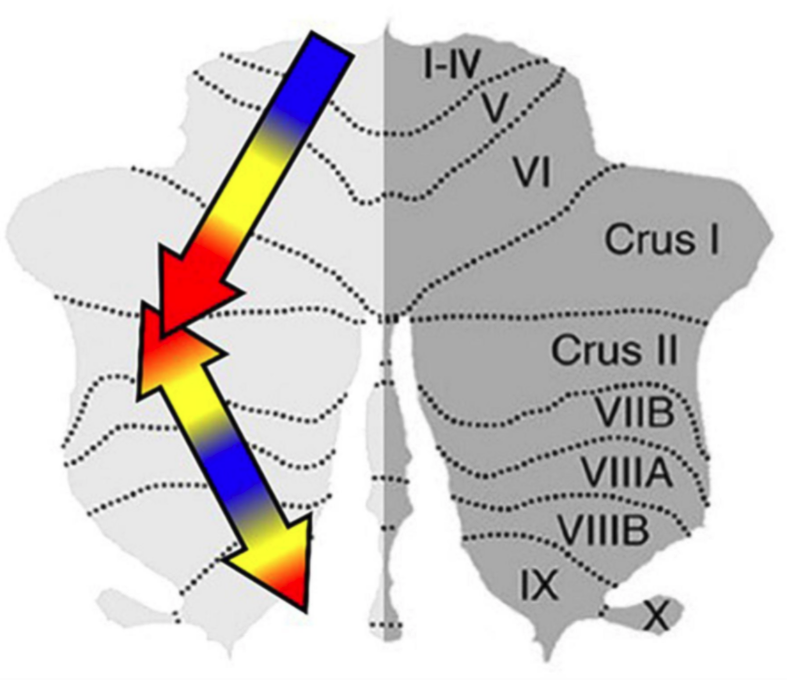
The research in my Lab is centered on neuroplasticity, brain mechanisms underlying learning, memory and art, neurorehabilitation of blindness, spatial cognition and navigation, vision deficits associated with traumatic brain injury (TBI), and multimodal sensorimotor processing. We employ a diverse array of brain imaging techniques, including functional magnetic resonance imaging (fMRI), diffusion tensor imaging (DTI), tensor-based brain morphometry (TBM), and high-density electroencephalography (EEG). Our work also incorporates advanced data analysis methods, such as Granger causal brain connectivity analysis. Additionally, we integrate cutting-edge tools like virtual reality, motion-capture systems, and specialized remote-research platforms in our investigations.
Contact Information:
Email: lora@ski.org
Office Phone: (415) 345-2066
2318 Fillmore St.
San Francisco, CA 94115
Publications




Projects
- iVEERS blind navigation system with the iPhone-based Virtual Environment in Empty Real Space
The iVEERS blind navigation system (standing for iPhone-based Virtual Environment in Empty Real Space) is a patent-pending system providing auditory cues to a virtual environment in an empty space, designed for testing and training navigational skills in those without sight.
- CompletedLearning in the Sighted and the Blind through Different Sensory Modalities: Structure and Dynamics of Cortical Reorganization
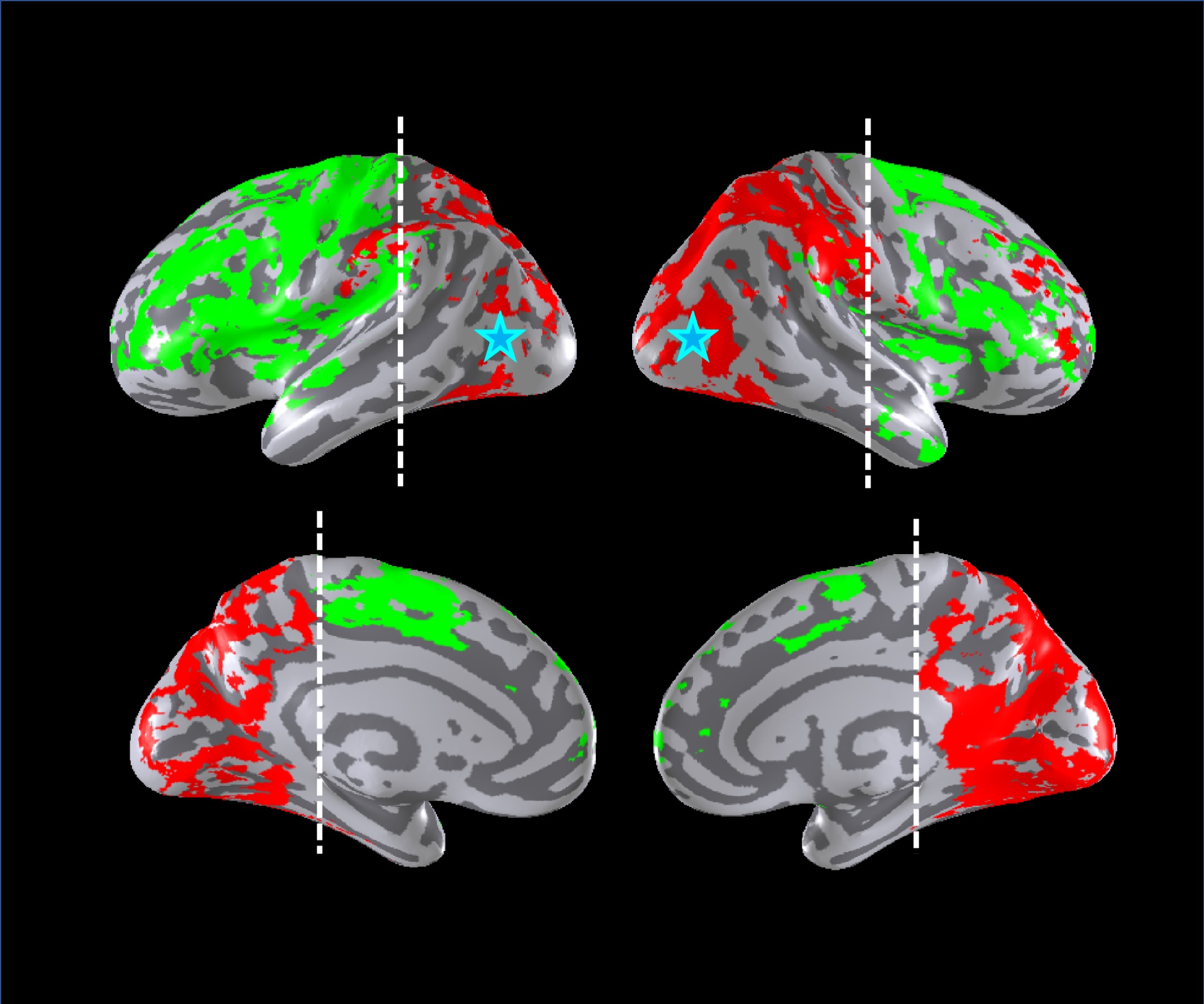
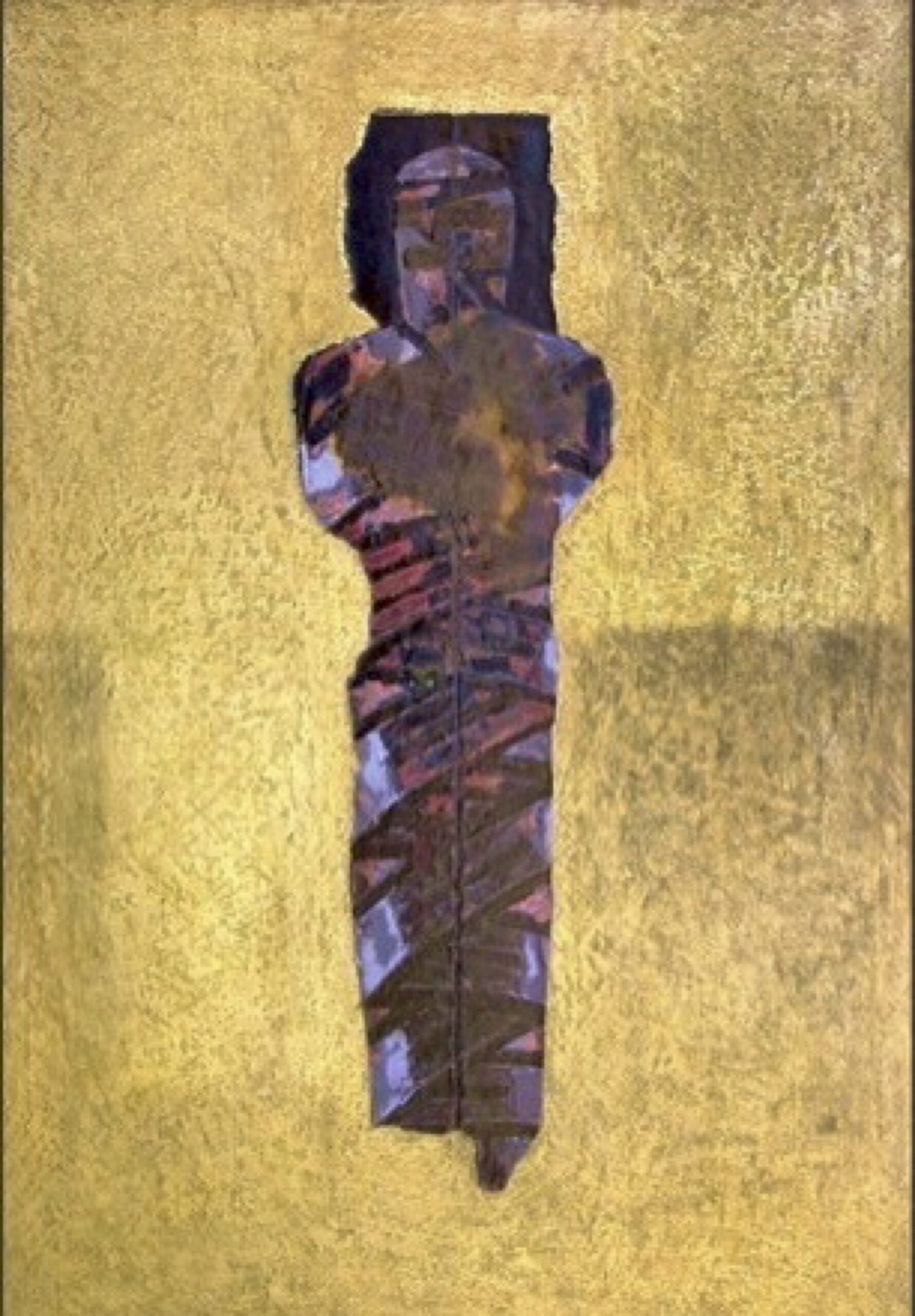
This project focuses on the emerging area of the neuroscience of art learning. It addresses the important issue of how the brain learns complex skills, specifically the process of drawing, through two different sensory modalities. Visual art, and drawing in particular, engages an orchestrated system of cognitive elements extending beyond mere visual perception. This brain system involves an array of cross-cognitive interactions for advanced learning in diverse sensory environments. However, there is a lack of systematic studies of the neural mechanisms of learning in visual art, or of the…
- CompletedHuman Oculomotor Functions & Their Deficits in Traumatic Brain Injury
Recent studies have established that a high proportion of patients diagnosed with mild (or diffuse) traumatic brain injury (mTBI) exhibit binocular vision dysfunctions, particularly, deficiencies in the binocular coordination of eye movements.
- CompletedEncoding of 3D Structure in the Visual Scene: A New Conceptualization
The multidisciplinary goal was to develop an integrated conceptualization of the mid-level encoding of 3D object structure from multiple surface cues
- CompletedStereoscopic motion-in-depth perception: fMRI and neurophysiological studies
This project is designed to advance the integration of high field fMRI in alert macaque monkeys with “informed” neurophysiology, and to apply it in addressing a long-standing research question regarding the neural processing of stereoscopic 3-D motion.
- CompletedAdvanced Spatiomotor Rehabilitation in Blindness and Visual Impairment
We propose a multidisciplinary approach to effective spatiomotor rehabilitation in blindness and visual impairment. For those who have lost vision, the eye-hand coordination normally available for the manipulation of objects for everyday activities is unavailable and has to be replaced by information from other senses
 ActiveMechanisms of Photophobia in Mild Traumatic Brain Injury in Human Subjects: Therapeutic Implications
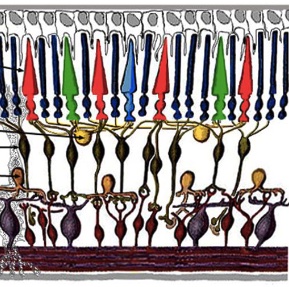
The purpose of this grant is to identify the mechanisms responsible for generating photophobia in patients who have suffered mild traumatic brain injury (mTBI). Currently, estimates indicate that this painful condition persists in about 60% of those who suffered from blast-related traumatic brain injury and 30% of those who suffered non-blast-related concussive injuries.
- ActiveSpectral ERG analysis of hypersensitivity to light in traumatic brain injury
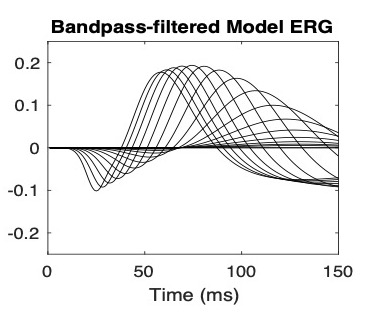
The purpose of this research study is to use the spectral electroretinogram (ERG) to deteremine how the retinal mechanisms of sufferers from abnormal light sensitivity due to head injury differ from those without abnormal light sensitivity.
 ActiveAdvanced Spatiomotor Rehabilitation for Navigation in Blindness & Visual Impairment
Successful navigation requires the development of an accurate and flexible mental, or cognitive, map of the navigational space and of the route trajectory required to travel from the current to the target location. The Cognitive-Kinesthetic (C-K) Rehabilitation Training that we have developed in the preceding period utilizes a unique form of blind memory-guided drawing to develop cognitive mapping to a high level of proficiency.

Labs
 Likova LabThe main areas of my research are learning and brain plasticity of multimodal sensorimotor processing in the blind and the sighted.


