
Reading in mTBI
People with mTBI often complain about dificulty in reading in spite of normal results in usual eye exams. We investigate this issue by looking at accommodation and reading rate and subjective measurement of reading difficuties for a variaty of reading tasks in normal and mTBI population.

Inactive
Braille, Assistive Technology, and Reading Comprehension
This project explores the impact of presentation mode (braille vs. audio) and using different assistive technology (i.e., refreshable braille displays and screen reader) on reading comprehension ability. The findings will have direct implications for how to present educational material to enhance comprehension among fluent braille readers.
Completed
The Smith-Kettlewell Haptics Symposium
The Smith-Kettlewell Haptics Symposium was held on March 29, 2018 to honor and remember Dr. Val Morash and her research.
Completed
Regressions in Braille Reading
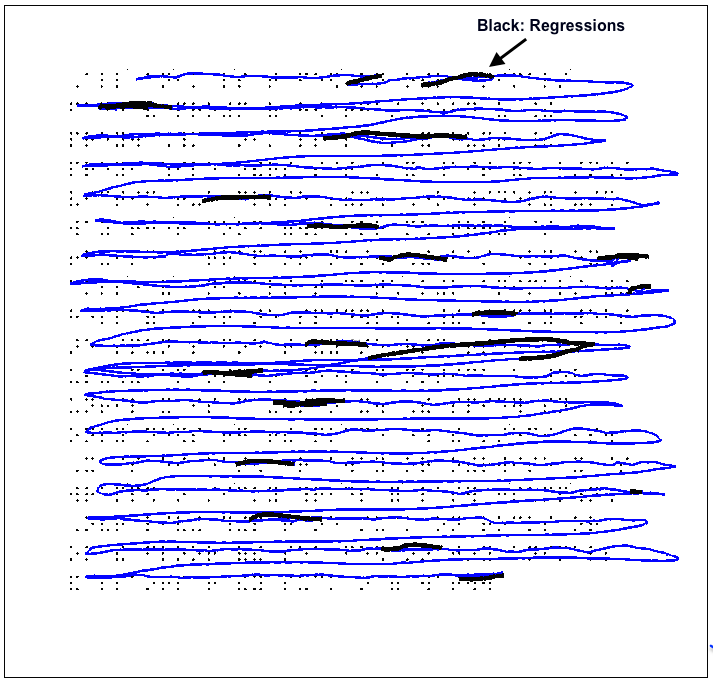
This project explores regressions (movements to re-read text) in braille reading. The image on the right plots the braille reading finger movements in blue and regressions in black.
Inactive
The Smith-Kettlewell Technical File
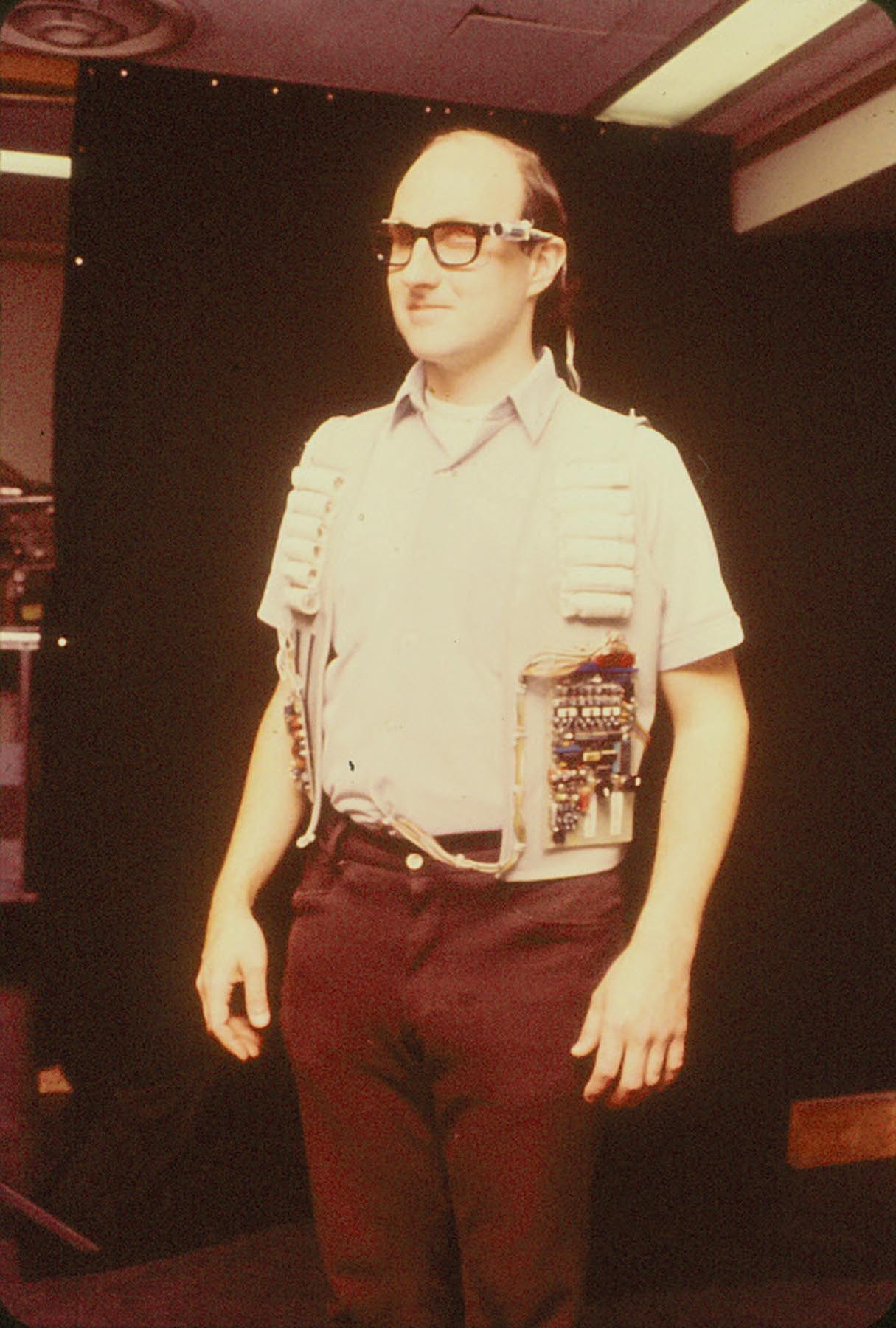
The Smith-Kettlewell Technical File, edited by William Gerrey (WA6NPC), was a publication by and for blind and visually-impaired electronics professionals and enthusiasts. It was published by the Smith-Kettlewell Eye Research Institute from Fall 1980, through Spring 1998 and was at various times available in Braille, large print, audio cassette, and 5-1/4″ floppy diskette.
Although The Smith-Kettlewell Technical File is no longer in active publication, we offer this online archive as a resource of both current and historical value.
While many of the articles about devices and techniques remain…
Inactive
My Vision on Vision
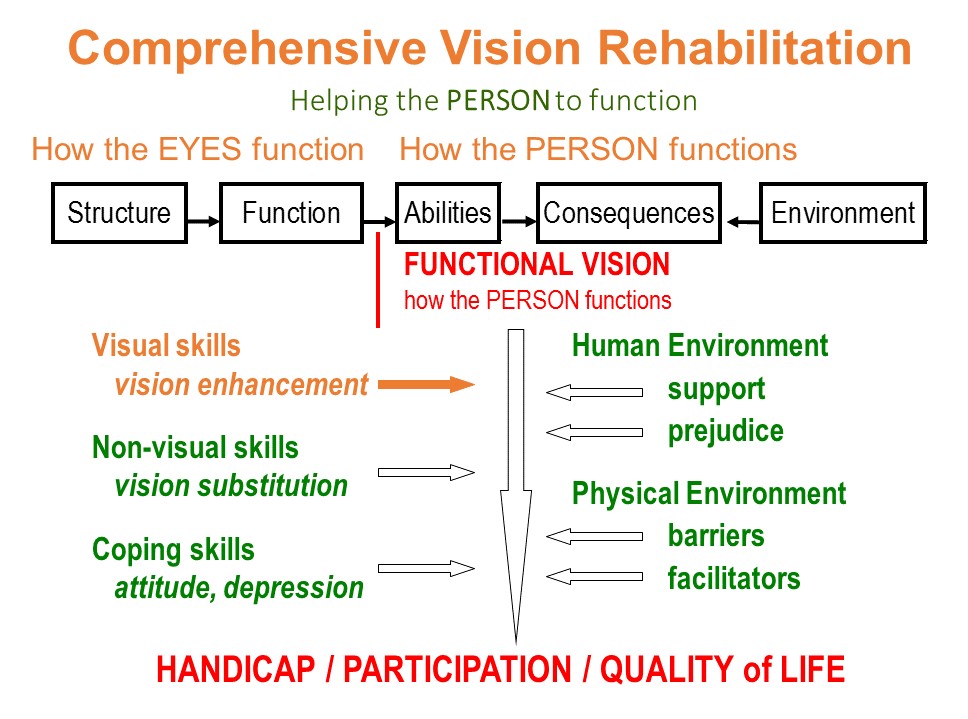
These short chapters summarize insights that I have gained from more than four decades working in vision rehabilitation. They provide a broader perspective that may be missing in our daily routines, when focused on specific details. Vision involves much more than visual acuity alone. Vision serves our understanding of the environment and our ability to interact with it. To improve all aspects of that interaction is the mission of Vision Rehabilitation.
Active
Adaptive Visual Strategies for Individuals with Macular Degeneration
In this project we try to gain a better understanding of what visual strategies people use to gather information in the world.
The Window of Spatial Attention in Reading
We investigate the dynamics of spatial attention while the eyes move around to gather information.
Parafoveal Crowding
Crowding increases with eccentricity, and is most readily observed in the periphery. During natural, active vision however, central vision plays an important role. Measures of critical distance to estimate crowding are difficult in central vision, as these distances are small. Any overlap of flankers with the target may create an overlay masking confound. The crowding factor method avoids this issue by simultaneously modulating target size and flanker distance and using a ratio to compare crowded to uncrowded conditions. This method was developed and applied in the periphery (Petrov &…

Active
Fovea Use During Smooth Pursuit
There is continuing debate as to whether smooth pursuit relies on the foveation of a moving target, especially when the target is compact. Previous studies have shown that gaze is placed on the center-of-mass of a target during saccadic eye movements. This research aims to understand whether eye placement is similarly centered during smooth pursuit and whether foveation is necessary for pursuing a small stimulus.