Contact Information:
Email: coughlan@ski.org
Office Phone: (415) 345-2146
2318 Fillmore Street
San Francisco, CA 94115
The Center’s research goal is to develop and apply new scientific knowledge and practical, cost-effective devices to better understand and address the real-world problems of blind, visually impaired, and deaf-blind consumers. The RERC has many ongoing R&D projects and collaborative relationships, both internal and external to Smith-Kettlewell. Primary funding for the RERC comes from the National Institute on Disability and Rehabilitation Research, with other important sources of support, including the National Eye Institute, and The Smith-Kettlewell Eye Research Institute.
Please check out the latest news about the RERC on Twitter.
Publications






Projects
SKribbleEyes
Scribble Eyes is an Apple iPad/Pencil-based app that automates the data collection, analysis and interpretation process for paper-based tests traditionally used to screen patients with central visual field loss in the clinic.
Audiom Map of Smith-Kettlewell
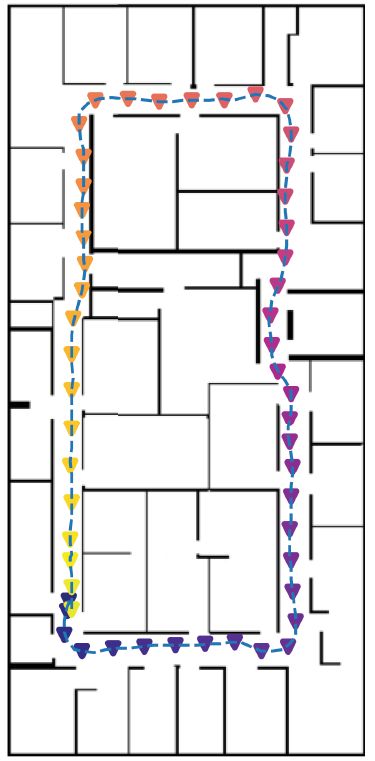
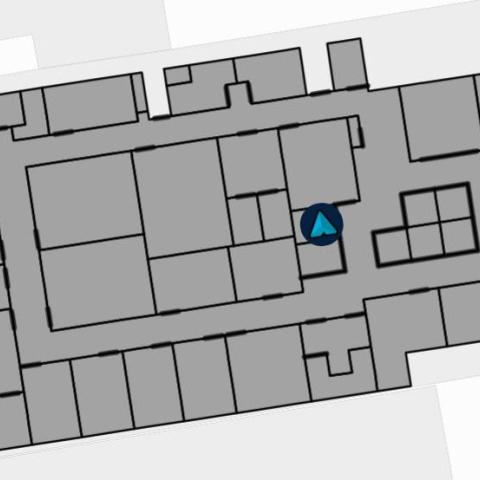
An Audiom map of the main Smith-Kettlewell building at 2318 Fillmore St., San Francisco has been created by Brandon Biggs. This is an audio-visual map that allows users to explore a detailed map of the building with or without vision. The map runs in any browser and is available to anyone who visits the building.
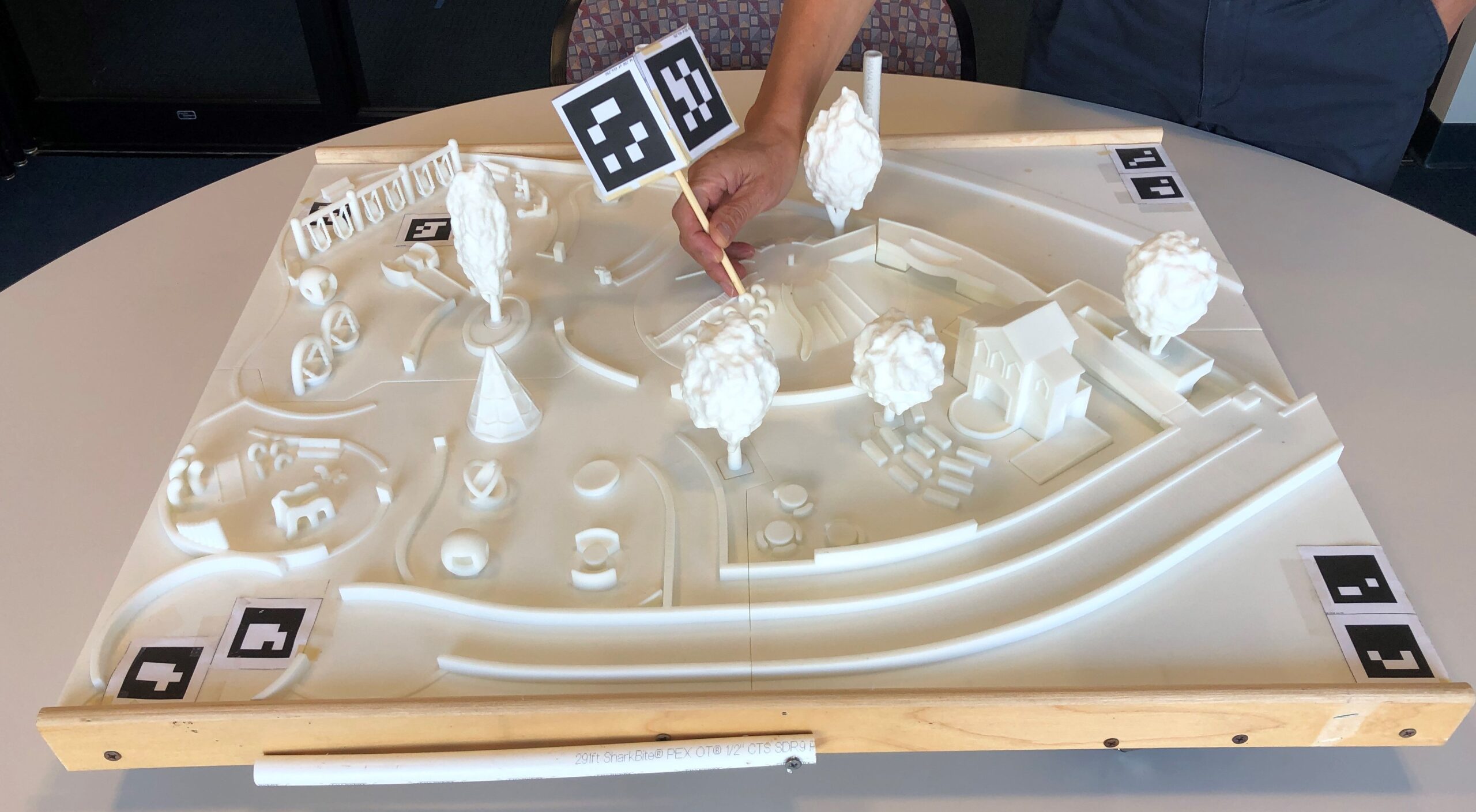
MapIO: a Gestural and Conversational Interface for Tactile Maps
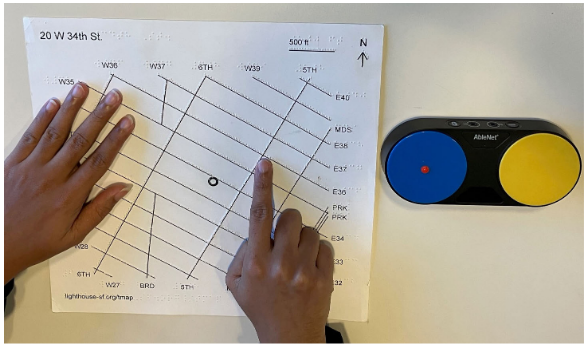
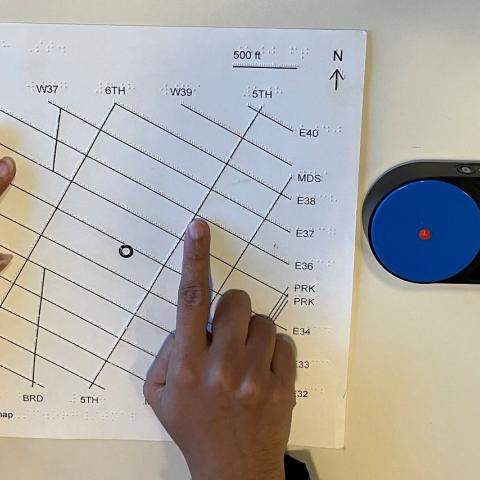
For individuals who are blind or have low vision, tactile maps provide essential spatial information but are limited in the amount of data they can convey. Digitally augmented tactile maps enhance these capabilities with audio feedback, thereby combining the tactile feedback provided by the map with an audio description of the touched elements. In this context, we explore an embodied interaction paradigm to augment tactile maps with conversational interaction based on Large Language Models, thus enabling users to obtain answers to arbitrary questions regarding the map. We analyze the type of…
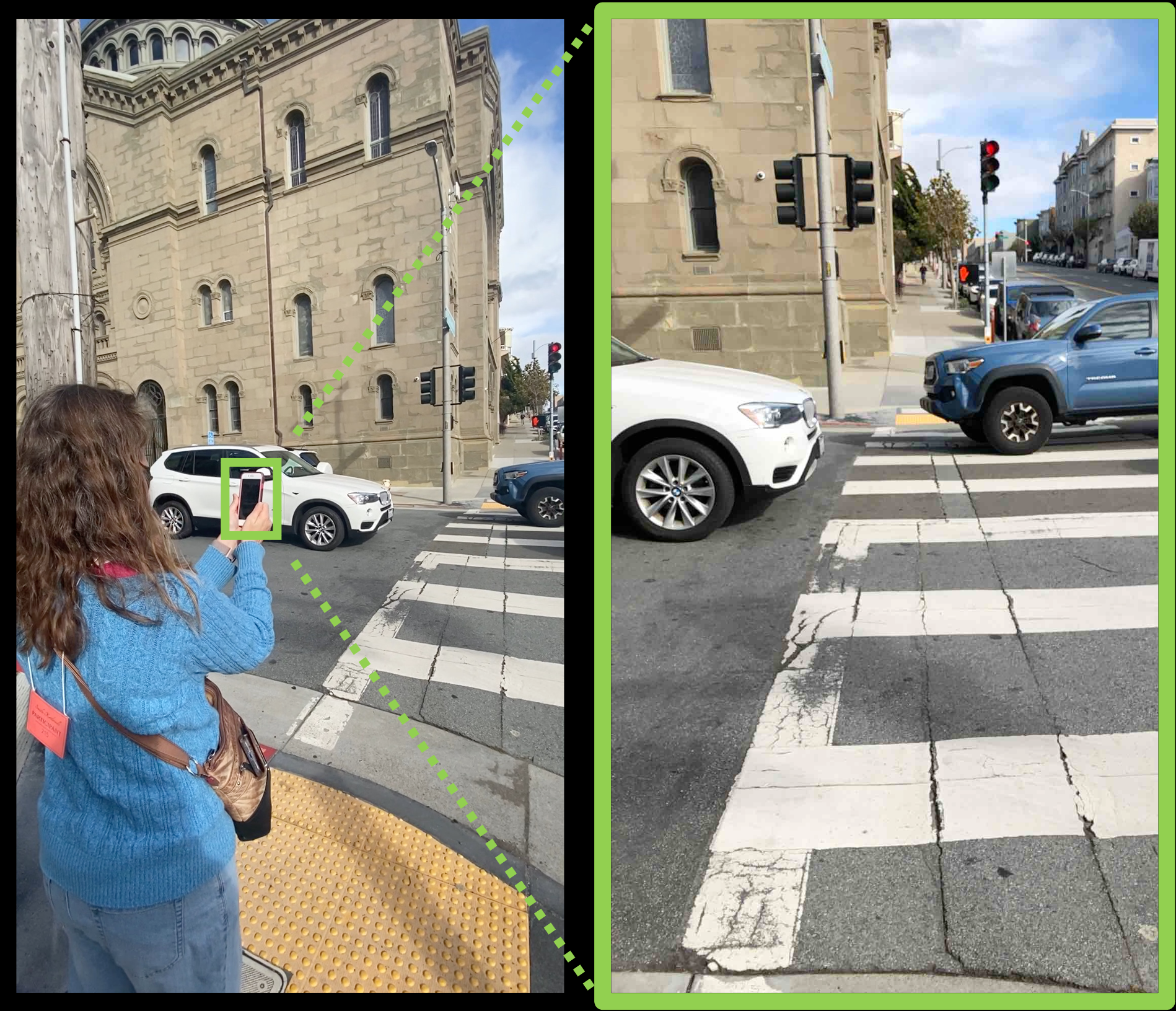
Using VR to Help Train Visually Impaired Users to Aim a Camera
People with visual impairments increasingly rely on camera-enabled smartphone apps for tasks like photography, navigation, and text recognition. Despite the growing use of these applications, precise camera aiming remains a significant challenge. This project explores the impact of virtual reality (VR) exploration in the context of learning to use a camera-based app. So far we have studied this approach in the context of training a visually impaired person to use walk-light detector app at traffic intersections.
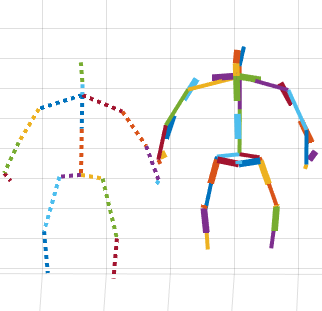
Mobility and Fall Risk in Central Visual Field Loss
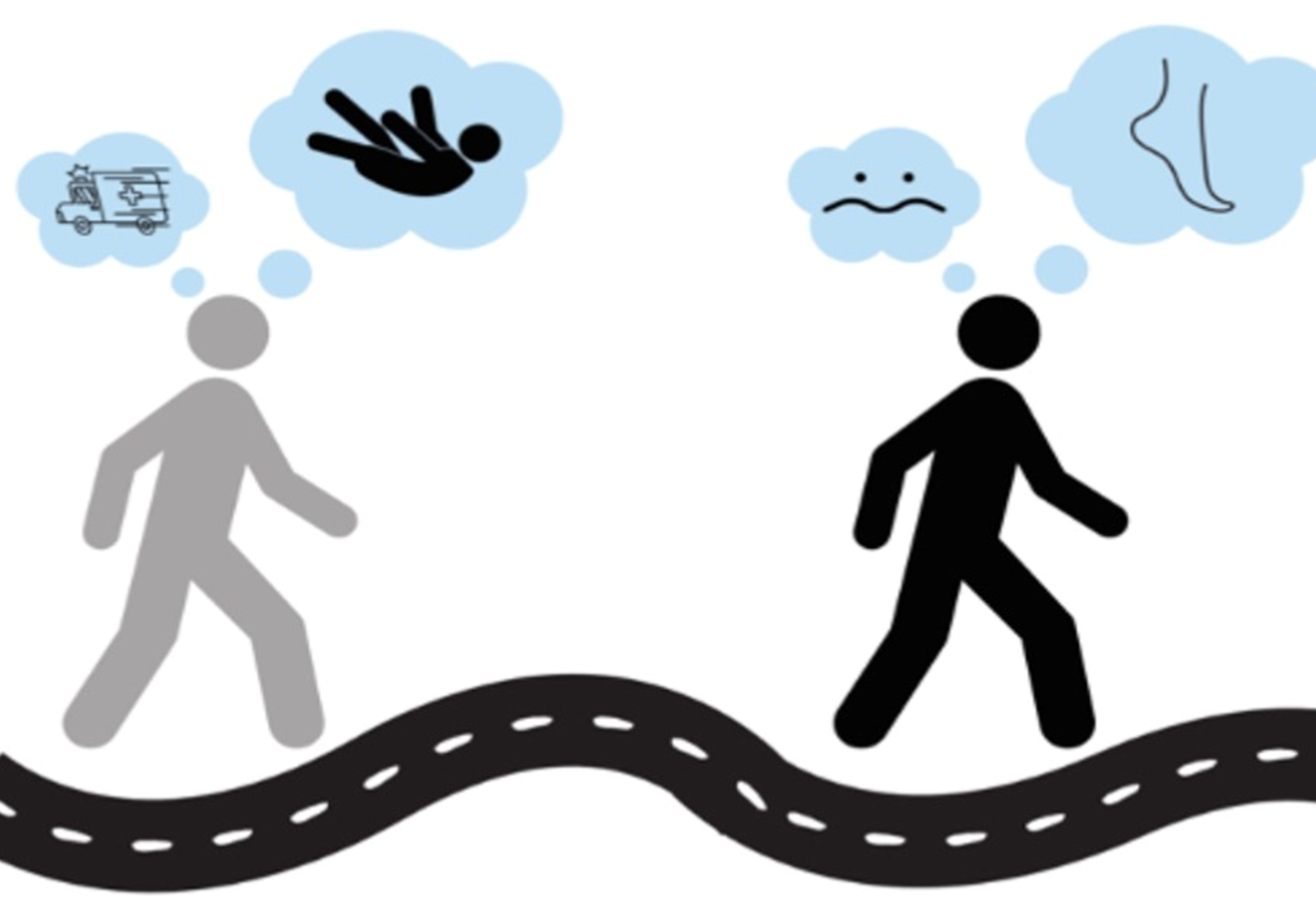
Age-related macular degeneration (AMD) is the most common cause of vision loss in the developed world. Central visual field loss due to diseases such as AMD is a large and growing problem. It is also associated with higher risk of falls and, therefore injury. Although much has been done to understand visual limitations associated with this condition, one of its most dangerous and poorly understood outcomes is the increase in the risk of falls, which can be debilitating and even deadly, especially in the age group most affected by AMD. The exact reasons for the increased fall risk are unknown…
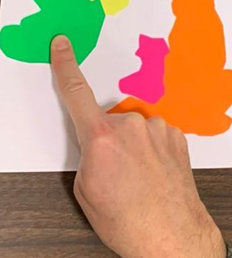
CamIO Hands
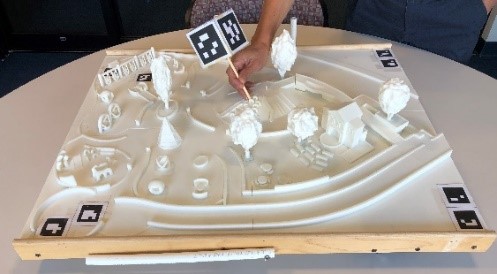
This project builds on the CamIO project to provide point-and-tap interactions allowing a user to acquire detailed information about tactile graphics and 3D models.
The interface uses an iPhone’s depth and color cameras to track the user’s hands while they interact with a model. When the user points to a feature of interest on the model with their index finger, the system reads aloud basic information about that feature. For additional information, the user lifts their index finger and taps the feature again. This process can be repeated multiple times to access additional levels of…
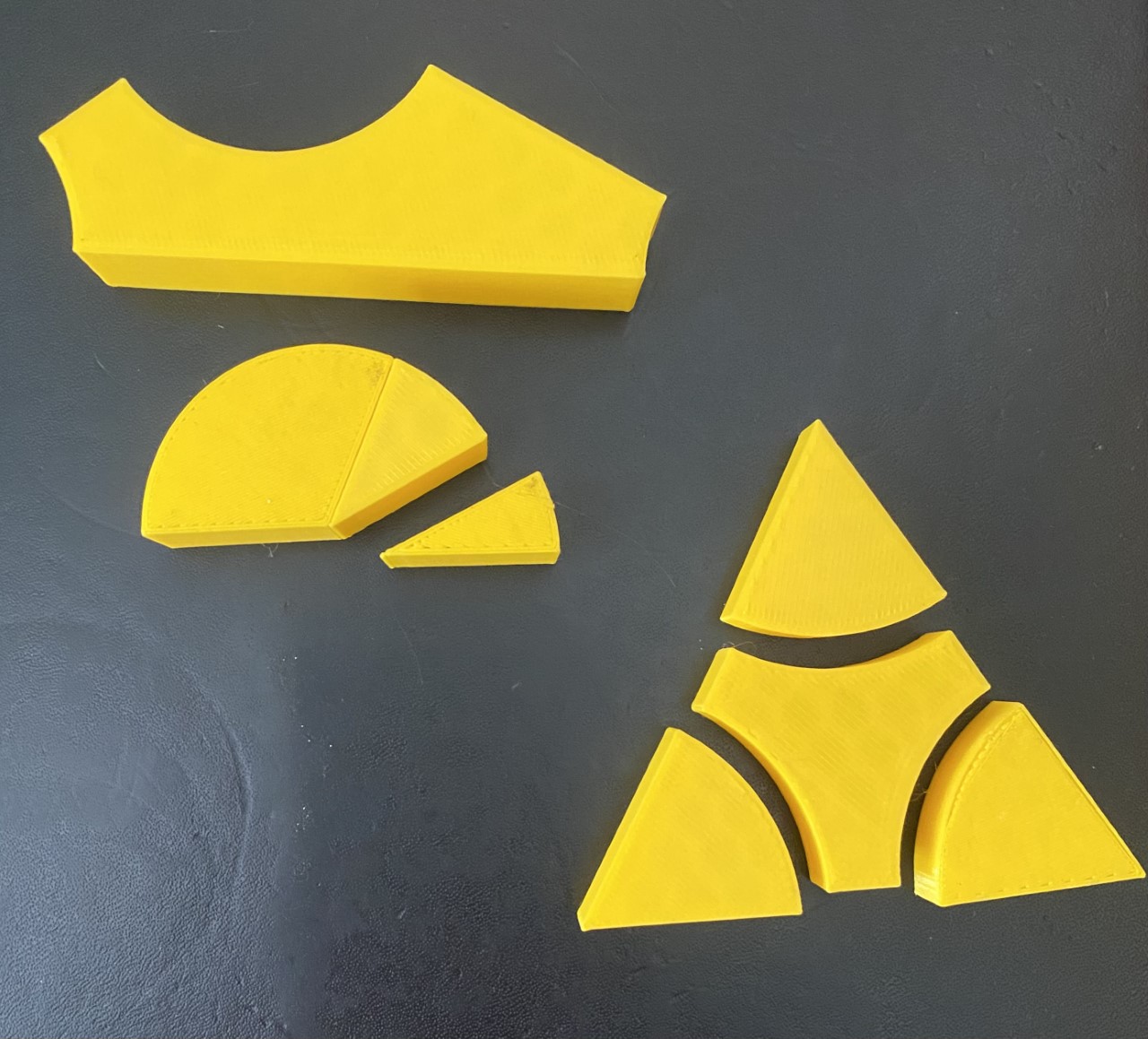
The 3 Ps of 3D: Perception, Pedagogy, and Practice for 3D Printing
3D printing is increasingly used in STEM education. How can it be made usable by students who are blind or visually impaired?
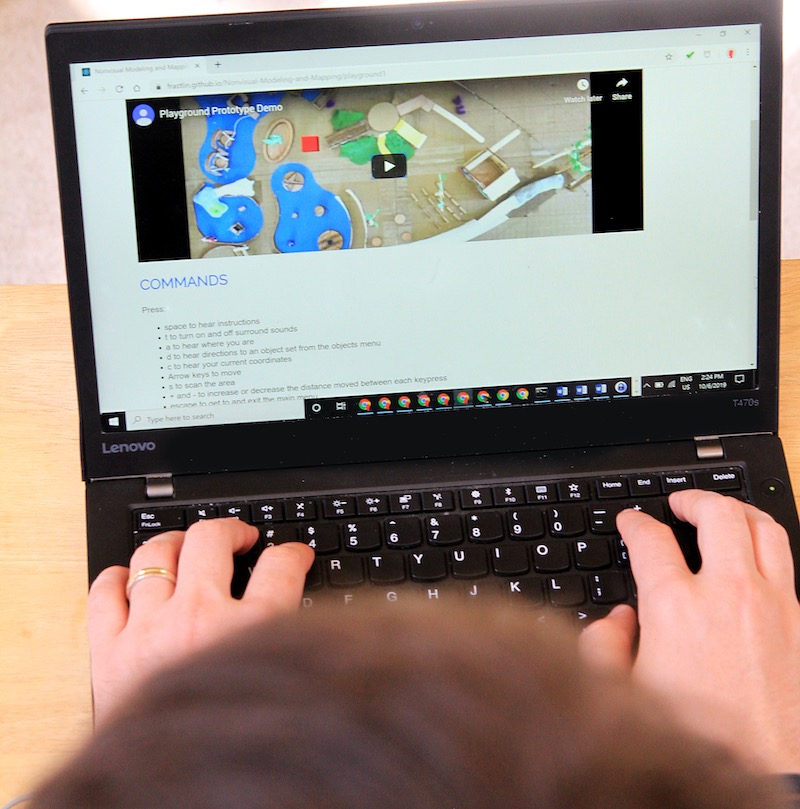
Audiom
Audiom is a tool that allows blind and visually impaired individuals to view maps completely in audio. It is a web component and can be embedded into any webpage, similar to Google Maps. It allows non-visual use of route, landmark, and survey knowledge, which is the critical information needed for navigation.
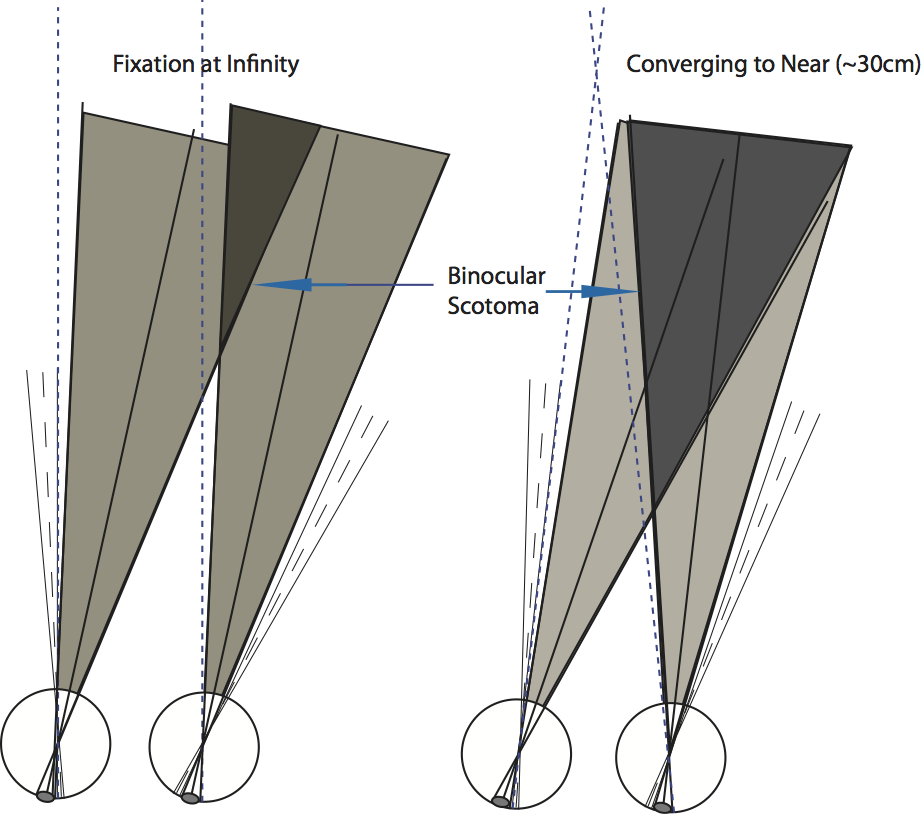
Tracking a target in depth with central field loss
Bilateral field loss due to maculopathy creates a scotoma that extends in depth — a volume scotoma. Morevoer the size of the scotoma depends on whether observers turn their eyes to track a target as it comes closer. This project investigates how the volume scotoma affects the ability to track oncoming targets in these individuals, and in controls with a simulated volume scotoma.
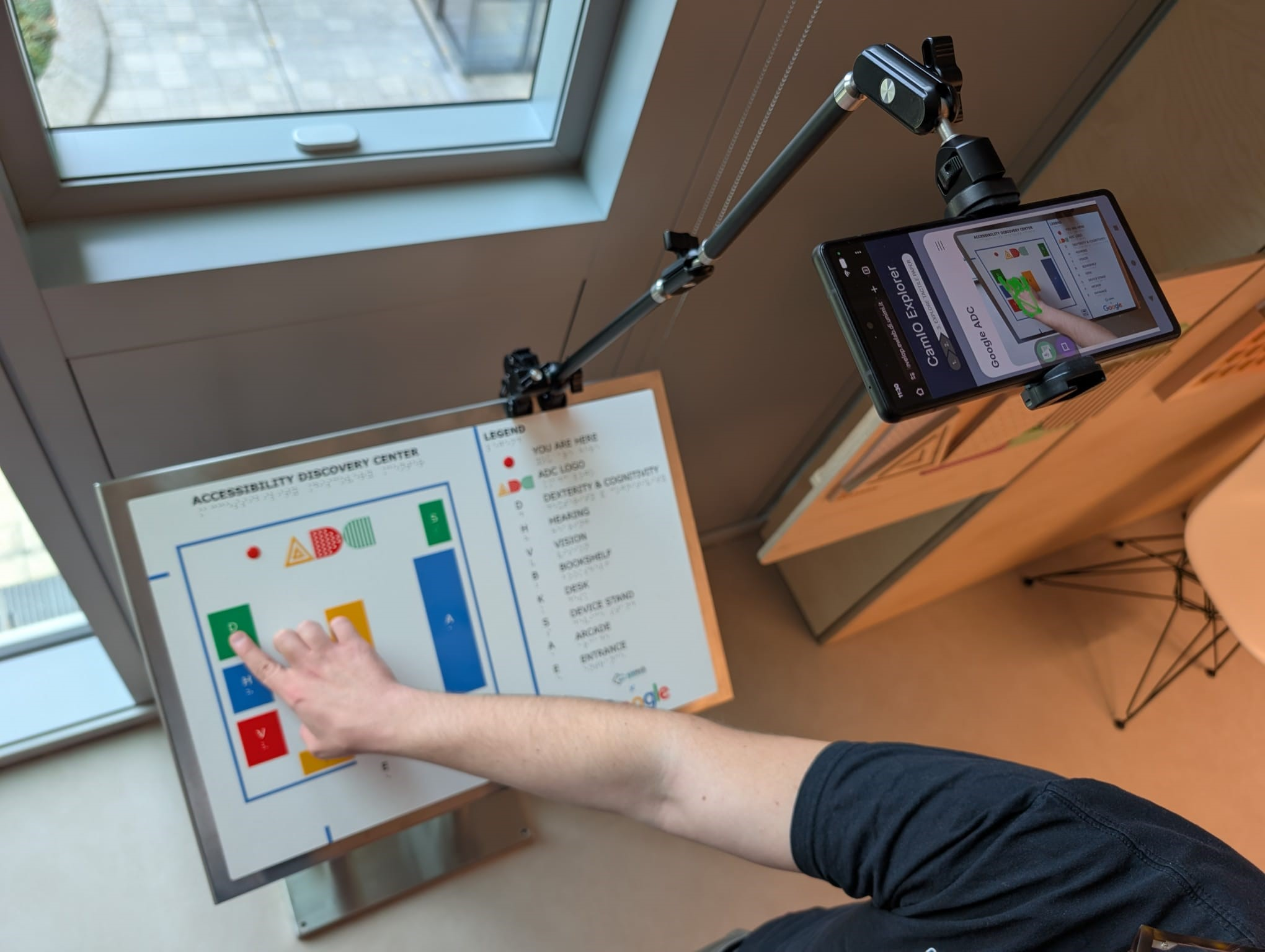
Interactive Tactile Map at Google ADC Milan
This is an installation of the CamIO project that adds interactivity to a tactile map of the Google Accessibility Discovery Center in Milan, Italy.

Smith-Kettlewell Summer Institute
The Smith-Kettlewell Summer Institute program is a multi-year, learning opportunity designed to provide training for blind and visually impaired students, recent graduates, and early career researchers interested in data skills that will enhance Science, Technology, Engineering and Math (STEM) jobs within industry, government, non-profit organizations or academia.
In today’s research climate, individuals are expected to have many skills at their fingertips. Often researchers are required to build software and hardware environments to run studies, to gather and analyze data and to prepare…

Talking Signs
Created by William Loughborough in 1979, Talking Lights was a system of infrared transmitters and receivers allowing blind and visually impaired travelers to quickly and easily “read signs” at a distance.
A11Y COVID-19
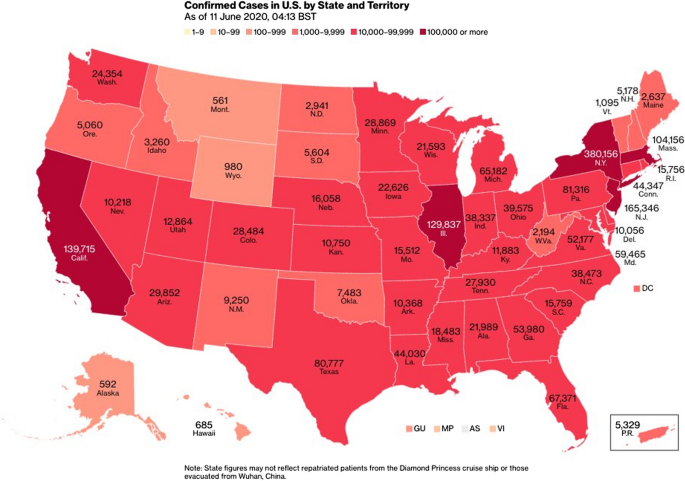
COVID-19 pandemic data for screen reader users are available at covid.ski.org
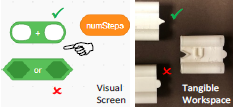
t-Scratch: Tangible Programming Environment
tScratch: Tangible Programming Environment Targeted for Students who are Blind or Visually Impaired
Introductory programming languages are overwhelmingly designed with sighted students in mind. Our goal is to expand and enhance scratch (https://scratch.mit.edu/ ), a block-based visual programming language and online community targeted primarily at children with Universal Design for Learning (UDL) concepts. The addition of tactile programming tiles, a specialized haptic coding grid, and an auditory interface will provide beginning programming instruction for students either as individual…
The Smith-Kettlewell Haptics Symposium
The Smith-Kettlewell Haptics Symposium was held on March 29, 2018 to honor and remember Dr. Val Morash and her research.
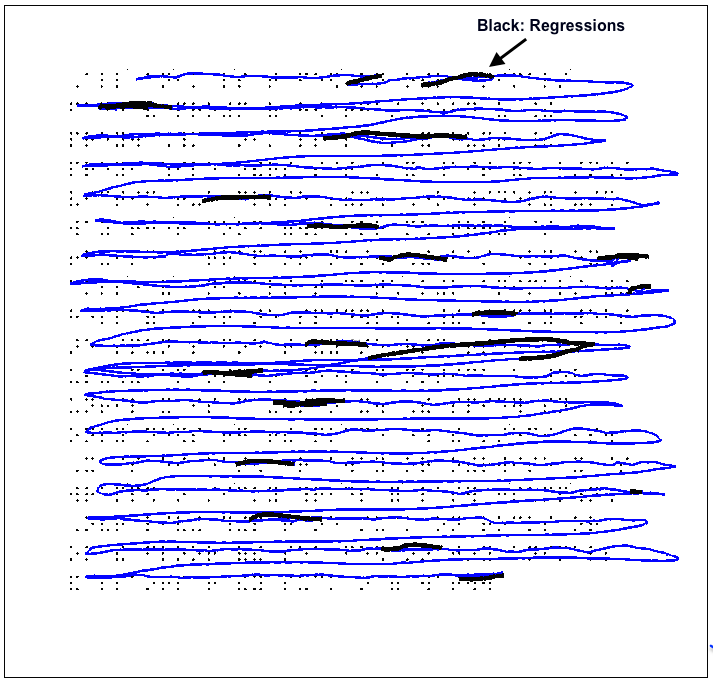
Regressions in Braille Reading
This project explores regressions (movements to re-read text) in braille reading. The image on the right plots the braille reading finger movements in blue and regressions in black.
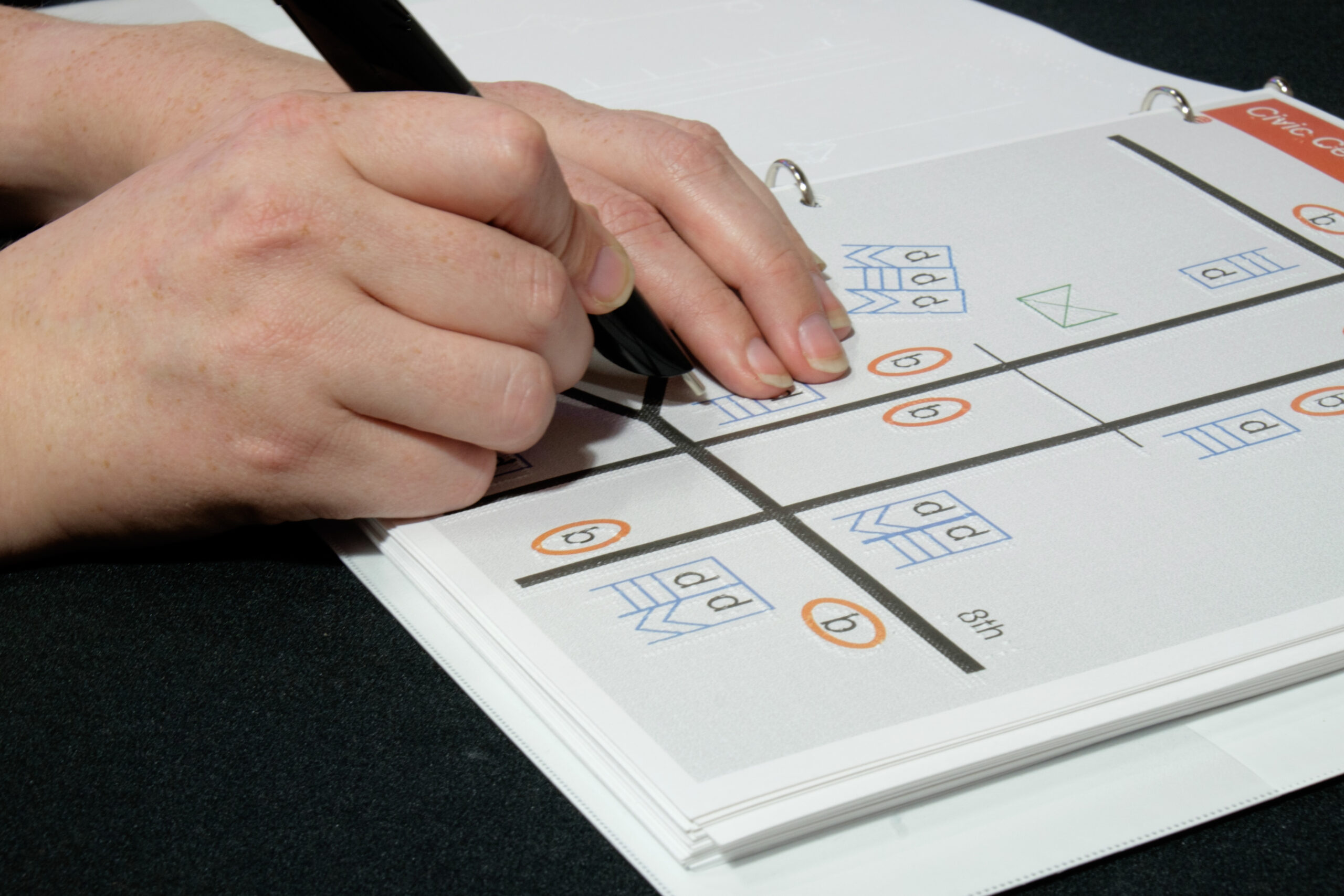
Audio/Tactile BART Station Maps
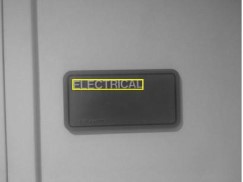
Sign Finder
This project seeks to develop a computer vision-based system that allows a visually impaired traveler to find and read informational signs, such as signs labeling office doors, streets, restrooms and Exit signs.
Link open source code
Tactile Graphics Helper (TGH)
Tactile graphics use raised lines, textures, and elevations to provide individuals with visual impairments access to graphical materials through touch. Tactile graphics are particularly important for students in science, technology, engineering, and mathematics (STEM) fields, where educational content is often conveyed using diagrams and charts. However, providing a student who has a visual impairment with a tactile graphic does not automatically provide the student access to the graphic’s educational content. Instead, the student may struggle to decipher subtle differences between textures or…
Workshop Series on Computer Vision and Sensor-Enabled Assistive Technology for Visual Impairment
Recent workshop:
Workshop on Environmental Sensing Technologies for Visual Impairment (ESTVI ’13 in San Francisco)
ESTVI ’13 focused on emerging technologies capable of sensing environmental features for applications in access technologies for persons with visual impairment, including low vision and blindness. The development of environmental sensing technologies (ESTs) and the study of their potential to support the activities of daily living for visually impaired persons is progressing at a rapid pace, and engages many disparate research fields, including computer vision, wearable sensors…
Assessment of Speechreading with Dual Sensory Loss: Visual and Hearing Impairments
The purpose of this research study is to test subjects who have various hearing and vision problems on their lipreading, visual and auditory skills in order to understand the relationships between lipreading and visual impairment. We then can explore training strategies to improve auditory and visual communication.
The Kinematics of Braille Reading
[Under construction]
When blind persons read braille, a system of raised dots for tactile reading and writing, how is the information processed? How do a few indentations on the fingerpads translate to linguistic information, and how does the text, in turn, influence the motions of the hands reading it? Our work on braille addresses these processes on several levels.
Braille, Assistive Technology, and Reading Comprehension
This project explores the impact of presentation mode (braille vs. audio) and using different assistive technology (i.e., refreshable braille displays and screen reader) on reading comprehension ability. The findings will have direct implications for how to present educational material to enhance comprehension among fluent braille readers.
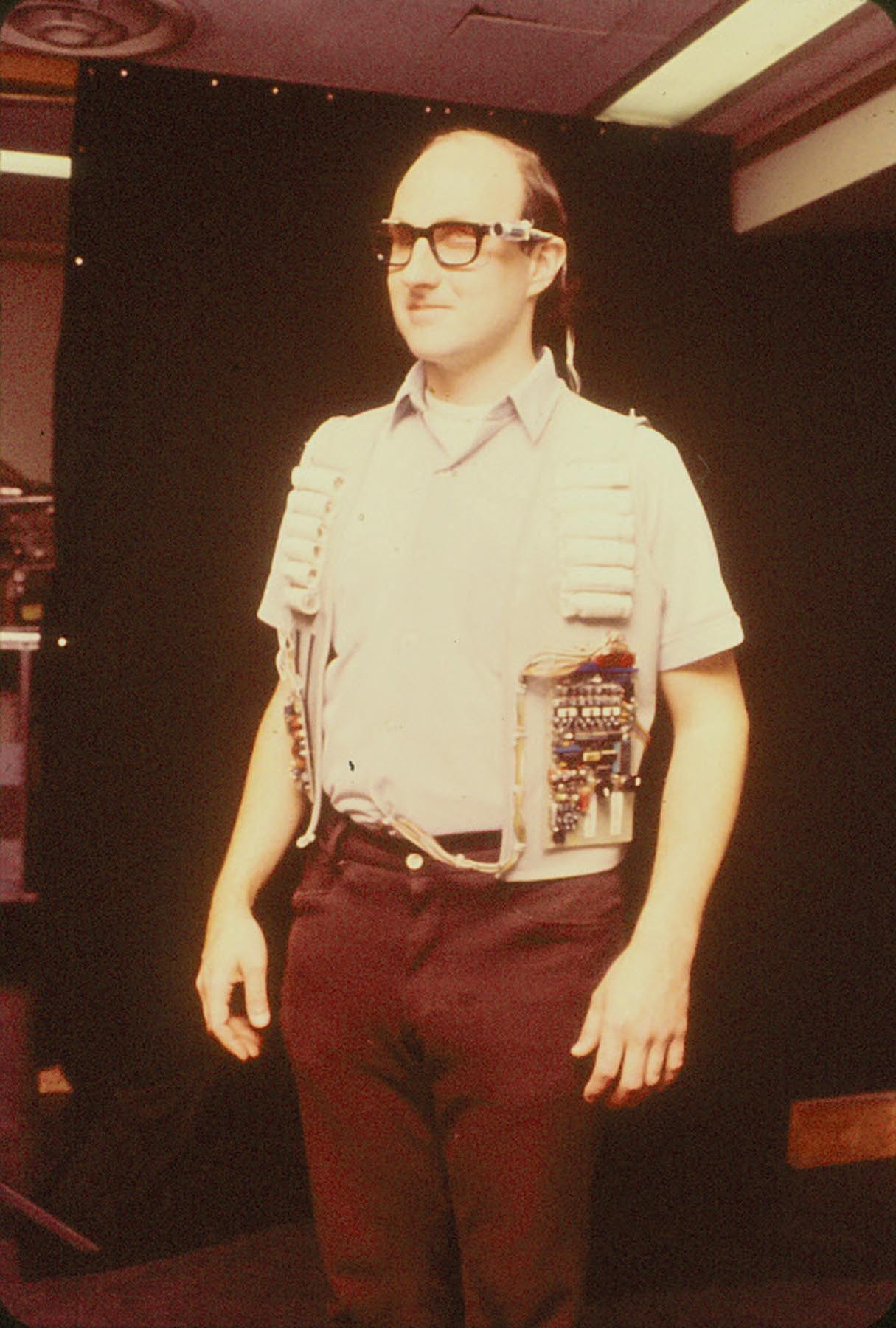
The Smith-Kettlewell Technical File
The Smith-Kettlewell Technical File, edited by William Gerrey (WA6NPC), was a publication by and for blind and visually-impaired electronics professionals and enthusiasts. It was published by the Smith-Kettlewell Eye Research Institute from Fall 1980, through Spring 1998 and was at various times available in Braille, large print, audio cassette, and 5-1/4″ floppy diskette.
Although The Smith-Kettlewell Technical File is no longer in active publication, we offer this online archive as a resource of both current and historical value.
While many of the articles about devices and techniques remain…

Describeathon 2019 Announced!

overTHERE
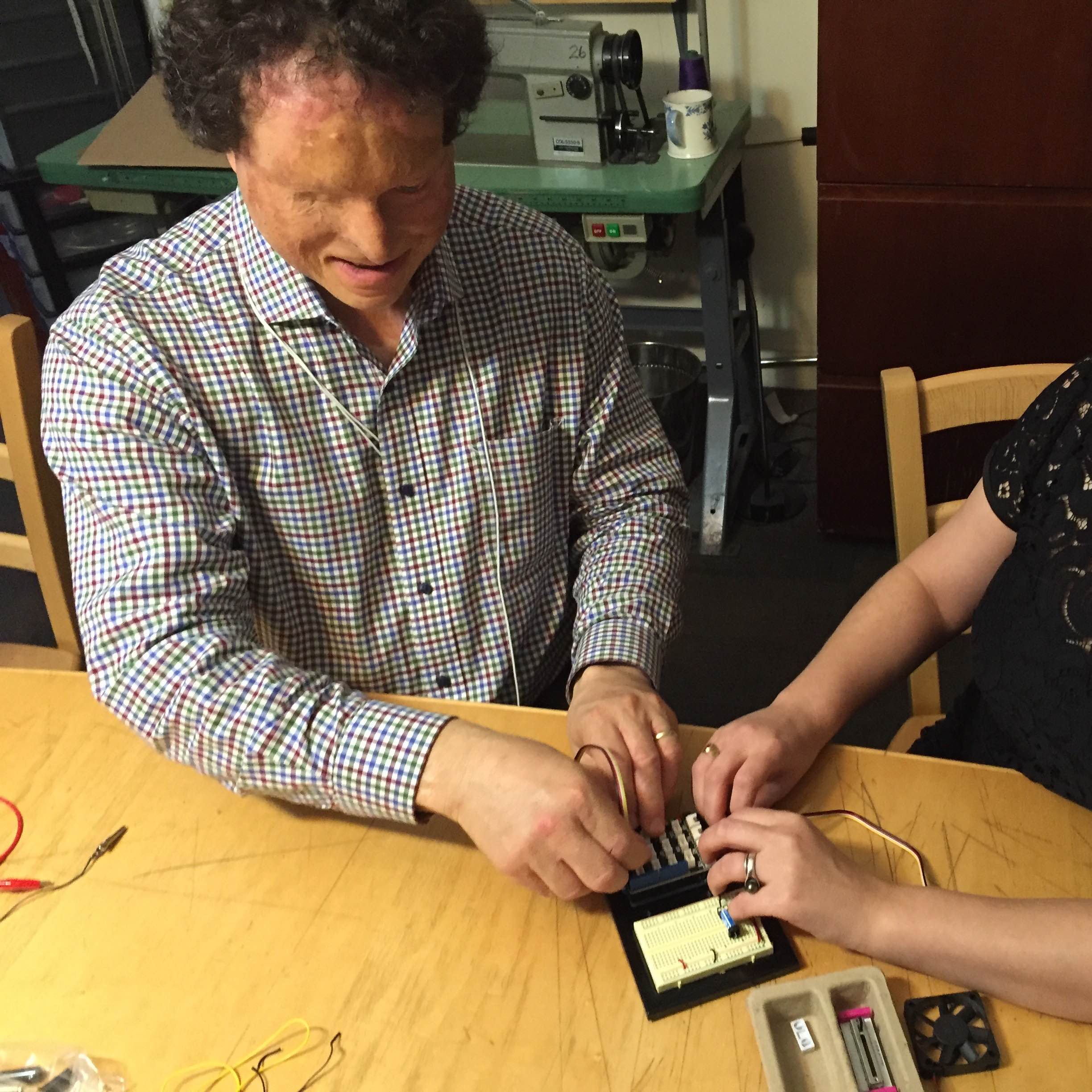
Blind Arduino Project
The Blind Arduino Project grew out of a community effort led by Dr. Miele in late 2015 to better understand barriers faced by blind people wanting to participate in the vibrant global culture of DIY hardware prototyping.
Arduino is an inexpensive, open-source electronics platform used by everyone from young hobbyists to high-tech developers to build computerized devices integrating sensors, motors, displays, wireless communications, and a host of other tools. Arduino is used in schools to teach children basic principles of design and computer science, in industry to quickly and inexpensively…
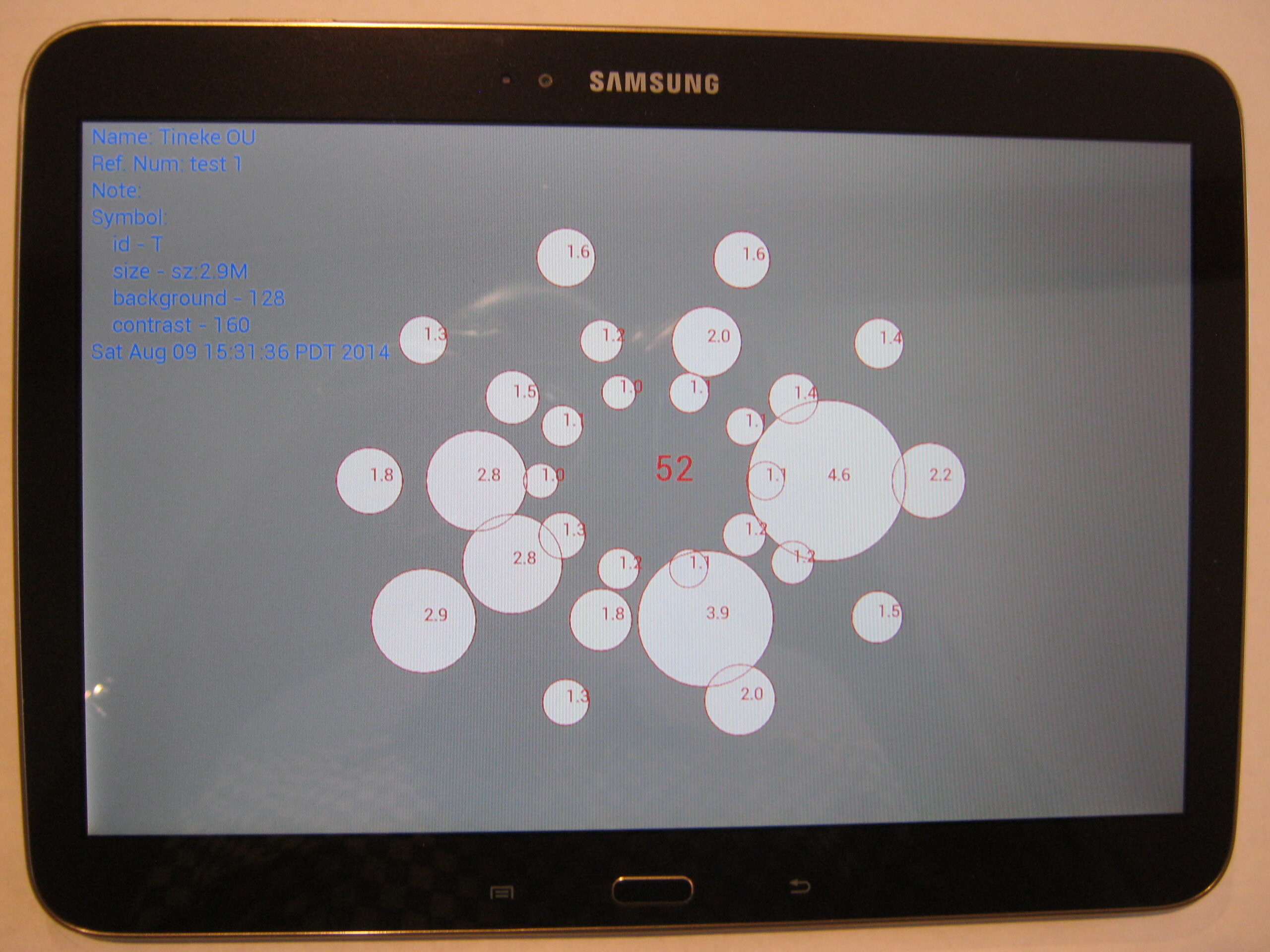
Functional Assessment – Visual Fields
Most patients are unaware of their visual field defects and scotomata, be it from AMD, from glaucoma, from RP, or from other causes. Dr. Colenbrander developed an improved functional scoring system for visual fields, as part of the Functional Vision Score system (see Guidelines)
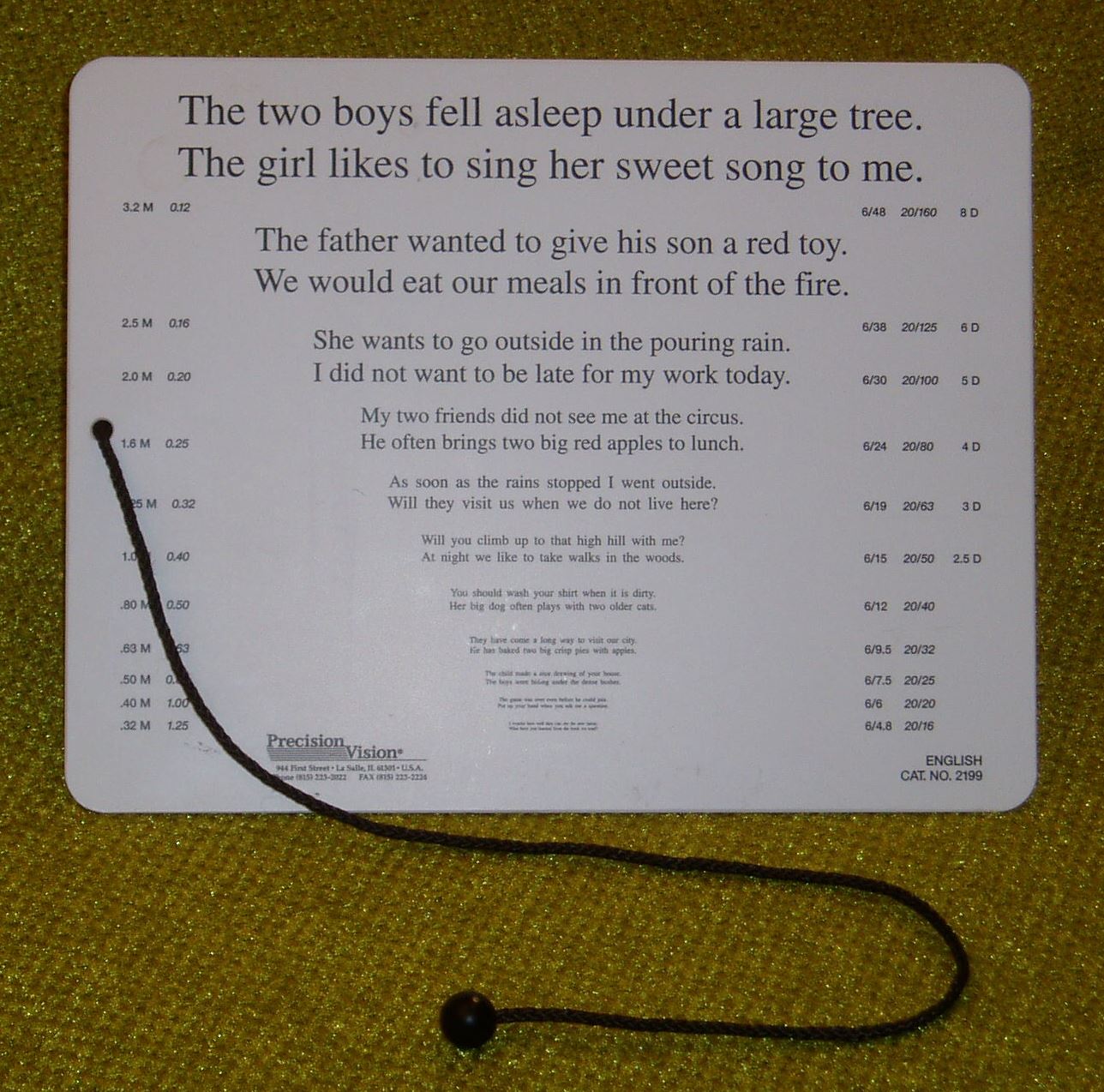
Functional Assessment – Reading
Difficulty reading is the most common complaint of low vision patients. It is the Activity of Daily Living that is most closely related to visual acuity, but involves many additional factors beyond.
Print SIZE provides an assessment (visual acuity) of “How the EYE functions”.
Reading SPEED provides a convenient assessment of “How the PERSON functions.”
PDF Reading acuity (2005)
The IVA system (see below) contains a module to facilitate reading speed measurements.
Functional Assessment – Contrast Sensitivity
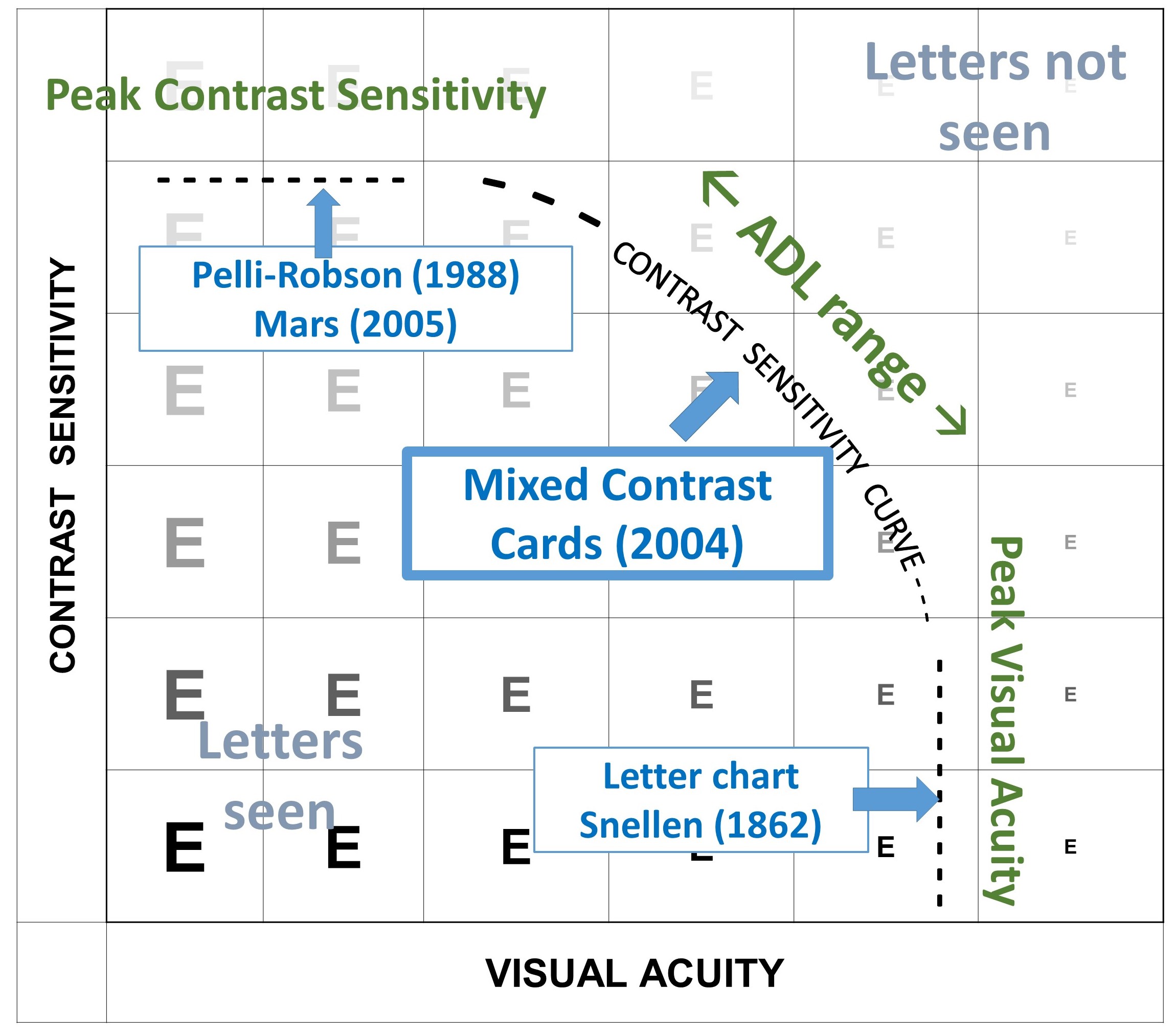
For eye doctors measuring contrast sensitivity loss during routine eye exams is not a priority, since contrast losses are not disease specific and do not guide treatment decisions.
For the patient, on the other hand, knowledge about contrast losses, of which they are usually not consciously aware, is very important, since it may affect the performance of Activities of Daily Living and affect safety in mobility tasks.
When visual parameters are measured, the measurements are usually limited to determining peak contrast sensitivity and threshold visual acuity as separate, seamingly independent…
Functional Assessment – Book Chapters
Categorization of visual functioning requires appropriate measurement methods. Dr. Colenbrander has discussed the principles of functional assessment in several book chapters.
Measuring Vision and Vision Loss, Vol. 5, chapter 51, in Duane’s Clinical Ophthalmology, (2001, updated and expanded for 2010 edition). Comprehensive overview, 96 pages, 10 MB. PDF
Low Vision Rehabilitation, Special issue of: Ophthalmology Clinics of North America, Colenbrander, Fletcher eds., 7, 2, 1994.
The Visual System. Chapter 12 in Master the AMA Guides (L. Cocchiarella, S.J…
Labs
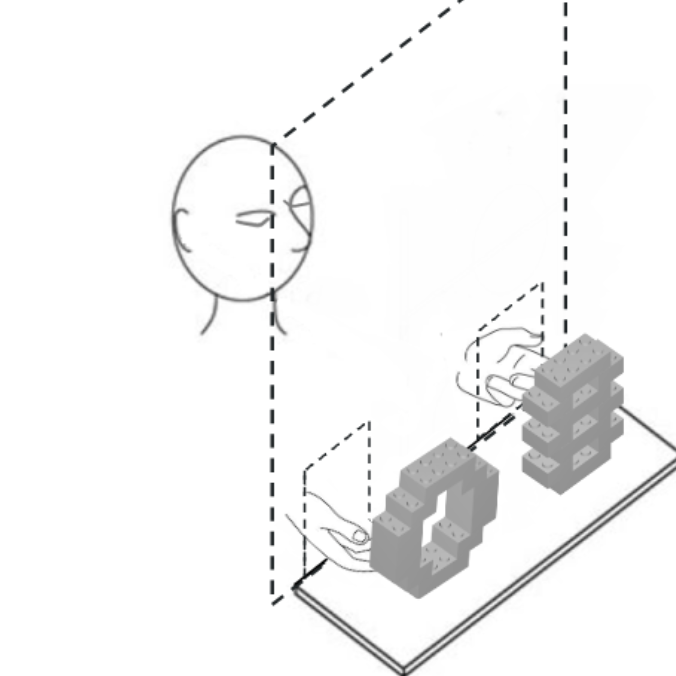
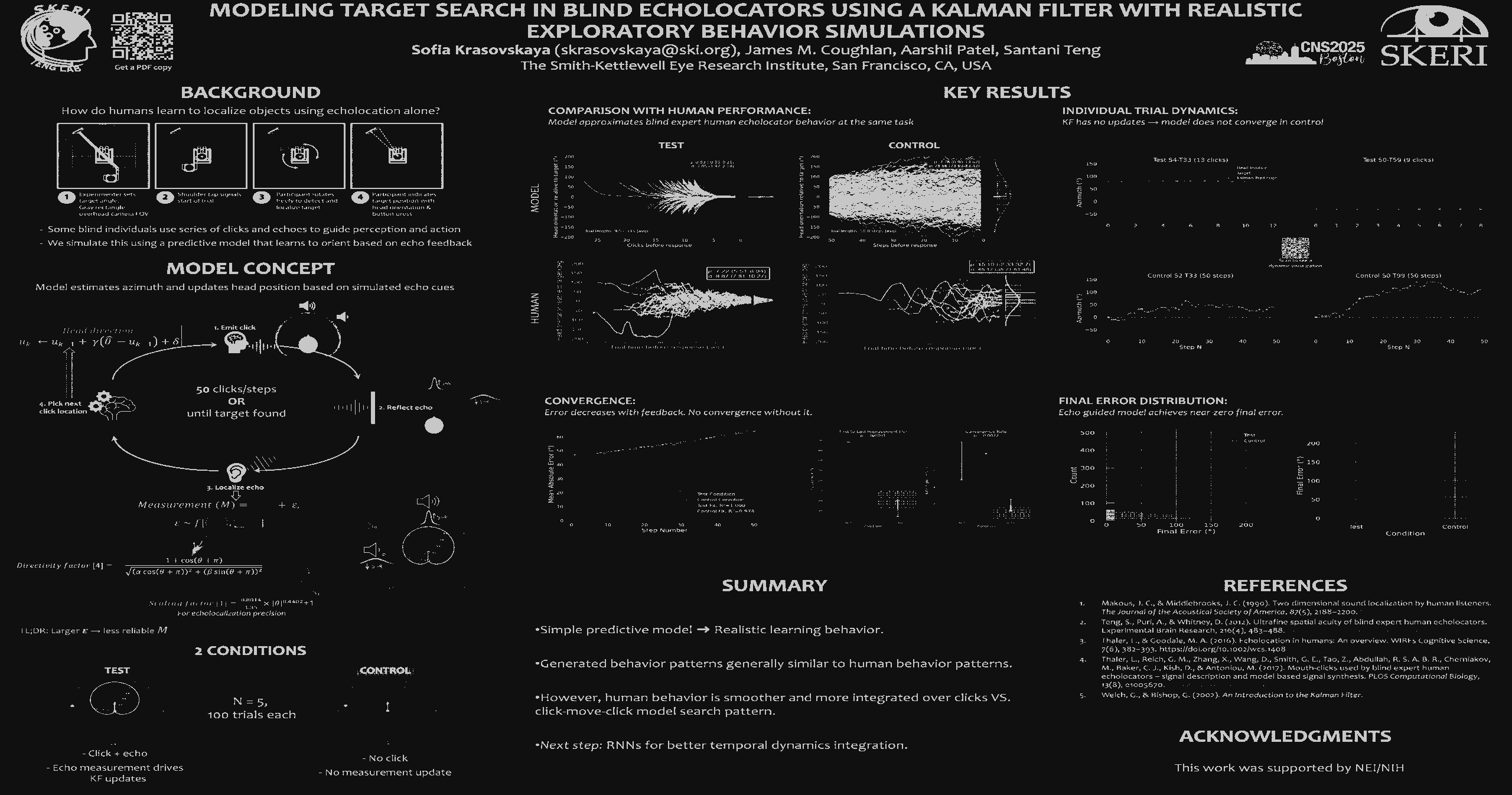
 Teng LabParticipate in our studies! Visit Teng Lab Experiment Participation for details. Welcome to the Cognition, Action, and Neural Dynamics Laboratory We aim to better understand how people perceive, interact with, and...
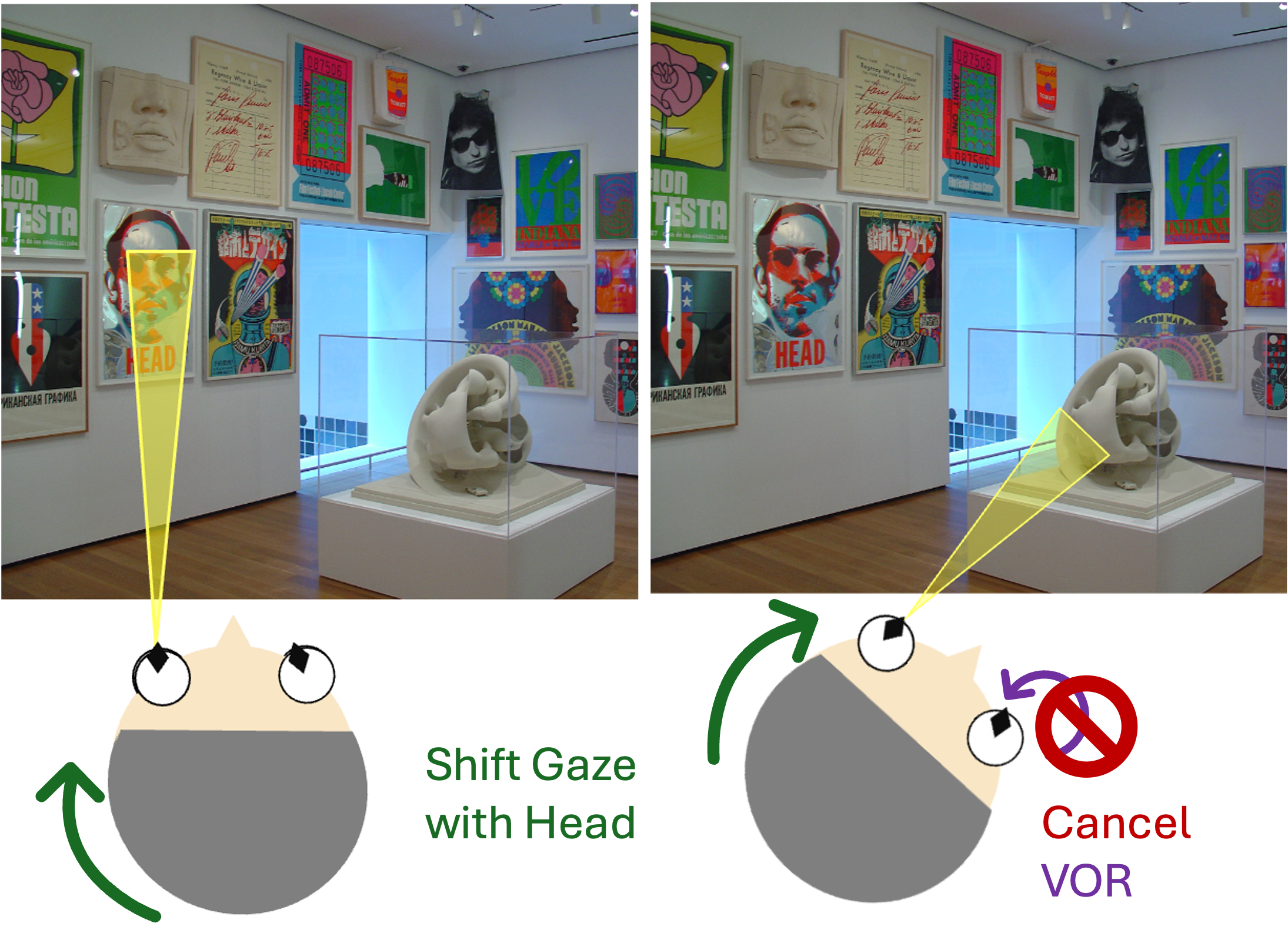
 Eye-Head Movement LaboratoryOur laboratory is interested in how changes in visual and/or vestibular function affect eye/head coordination, balance, and mobility, particularly in aging. We are currently pursuing two main lines of research:...
 Coughlan LabThe goal of our laboratory is to develop and test assistive technology for blind and visually impaired persons that is enabled by computer vision and other sensor technologies.
 Verghese LabOur laboratory studies the mechanisms of healthy vision and action, as well as the basis of attention and visual adaptation in clinical populations.
People
Current People
 Charity Pitcher-CooperPronouns: she/her I joined The Smith-Kettlewell Rehabilitation Engineering Research Center (RERC) team in 2017 as an assistant to scientist Dr. […]
 John BrabynIt has been my honor to serve as The Smith-Kettlewell Eye Research Institute’s Executive Director since 2011. Previously, I have […]


Funding
Collaborators


News
 Oakland High School’s Students Visit Smith-KettlewellOn Friday, February 6th, students from Oakland High School's Innovative Design and Engineering Academy visited Smith-Kettlewell. Students learned about different kinds of accessibility research directly from some of our scientists, giving...
 Empowering Data Vision: A Self-Paced Introduction to the Convergence of AI and Data ScienceJuly 25, 2025 — San Francisco, CA


Events

Blindness and Low Vision Support Group: December 2026 Meeting
Wednesday, December 16th, 2026 – 3:30 PM to 5:00 PM
A description will be provided at a later date.
Blindness and Low Vision Support Group: Peer Discussion & Show and Tell
Wednesday, November 18th, 2026 – 3:30 PM to 5:00 PM
This November, we invite you to show off some of the blindness and low vision tips, tricks, and tools that...
Blindness and Low Vision Support Group: October 2026 Meeting
Wednesday, October 21st, 2026 – 3:30 PM to 5:00 PM
A description will be provided at a later date.
Get Involved
If you are interested in vision science or want to learn more about low vision and blindness, there are many opportunities to get involved at The Smith-Kettlewell Eye Research Institute.